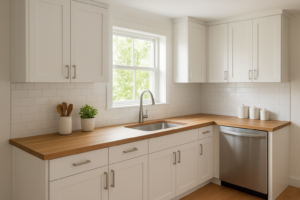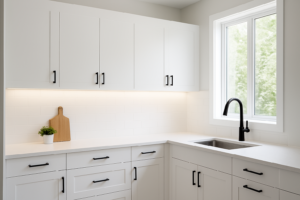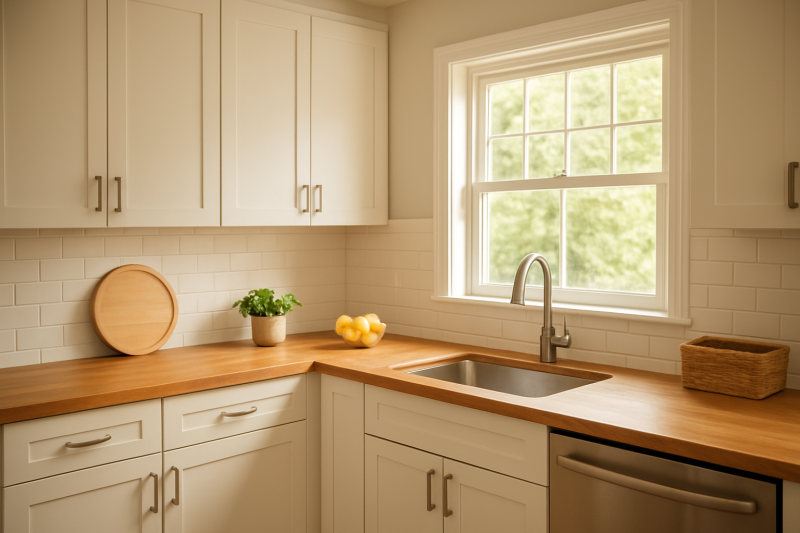
Home cabinet refacing is a renovation method that replaces your cabinet doors, drawer fronts, and hardware while bonding fresh veneer to your existing cabinet boxes — giving you a brand-new kitchen look without demolition, dust, or a five-figure price tag. Consequently, it has become one of the most requested kitchen upgrades for homeowners who want dramatic results on a realistic budget and timeline.
According to the National Kitchen and Bath Association, kitchen remodeling remains one of the most popular home improvement categories in the country. However, a full gut-and-replace renovation can easily surpass $25,000 to $30,000. In contrast, home cabinet refacing typically costs 30% to 50% less, which makes it an exceptionally practical option for homeowners who want a modern kitchen without draining their savings.
This guide covers everything you need to know before starting a project — the exact process, every material option, real cost ranges, warranty and financing details, durability expectations, and how to vet a contractor. In short, by the end of this article, you will know more about home cabinet refacing than most contractors will tell you upfront. Written by Kitchen Transformations experts. Last updated: 2026-07-28.
What Is Home Cabinet Refacing? A Complete Definition
Home cabinet refacing is a targeted renovation technique that focuses only on the surfaces you actually see and touch every day. Rather than ripping out the entire cabinet structure, a refacing specialist replaces the doors, drawer fronts, and exposed frame surfaces while leaving the cabinet boxes — the internal shell mounted to your walls — securely in place.
The visual result is a kitchen that looks completely rebuilt. Furthermore, because the underlying boxes stay put, the project generates far less construction debris and finishes in days rather than weeks.
Specifically, a complete home cabinet refacing project involves three core components: new door panels, new drawer fronts, and fresh veneer (a thin decorative surface layer, typically made of wood, vinyl, or laminate) bonded directly to the existing cabinet frames. Together, these elements create one cohesive, polished look throughout the entire kitchen — not a patchwork of old and new.
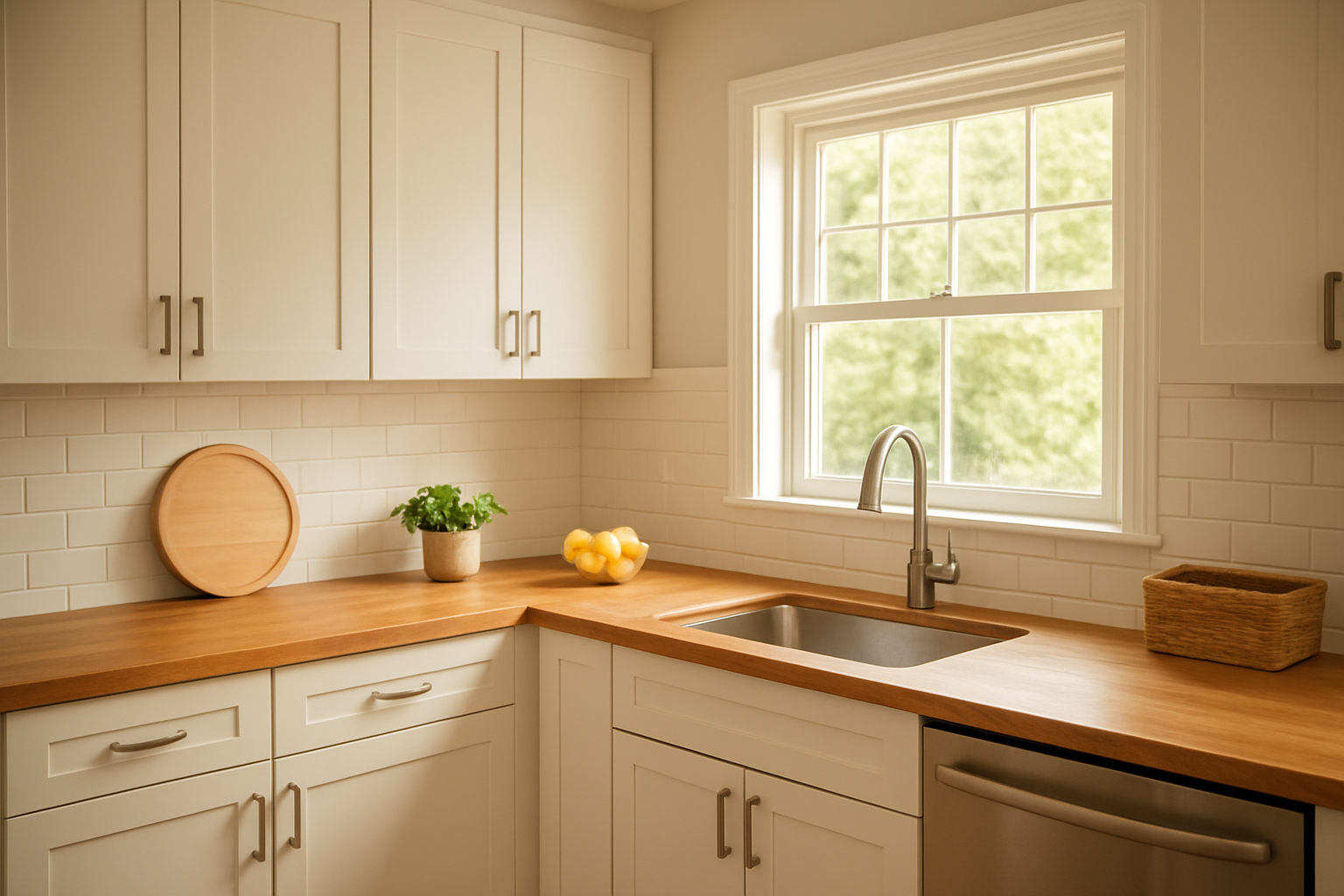
Home cabinet refacing transforms a kitchen with new doors and fresh veneer — no demolition required. For a deeper walkthrough, see our Can I Do Cabinet Refacing Myself? DIY vs. Professional Refacing Explained.
Home Cabinet Refacing vs. Cabinet Refinishing vs. Cabinet Painting
These three terms get confused constantly, so it is worth clarifying the difference. Cabinet painting simply applies new paint to your existing doors and boxes — it is the cheapest option, but the finish typically chips within a few years. Cabinet refinishing strips and re-stains the existing wood surface, which only works if the original material is solid wood.
Home cabinet refacing, by contrast, replaces the doors and drawer fronts entirely and re-surfaces the boxes with new veneer. As a result, it delivers a far more durable and dramatic transformation than painting or refinishing, while still avoiding the cost of full replacement.
Home Cabinet Refacing vs. Full Cabinet Replacement: Which Wins?
There are several compelling benefits of refacing homeowners choose cabinet refacing over a full kitchen gut. Cost is, understandably, the factor cited most often — but it is far from the only one.
- Cost: Refacing saves 30% to 50% versus full replacement, since demolition, disposal fees, and new box construction are eliminated entirely.
- Speed: Most refacing projects finish in two to four days. Full replacement, however, commonly takes three to six weeks.
- Disruption: Your kitchen stays largely usable throughout refacing. In contrast, a full remodel typically forces you out of the space entirely.
- Layout: Refacing keeps your existing cabinet footprint. Therefore, it is not the right fit if you want to change your kitchen layout or add storage capacity.
- Structural condition: Refacing only works when the existing boxes are sound. If they are warped or water-damaged, replacement becomes the safer long-term choice.
In short, if your cabinet boxes are structurally sound and you are happy with your current layout, home cabinet refacing almost always delivers the better return on investment.
Environmental Benefits of Refacing Kitchen Cabinets
Beyond cost and speed, refacing is also the more environmentally responsible choice. According to the U.S. Environmental Protection Agency, reducing construction and demolition waste is one of the most meaningful ways homeowners can lower their environmental footprint. Refacing keeps usable cabinet boxes out of landfills while still delivering a completely fresh aesthetic.
In addition, less new material production means a smaller overall carbon footprint. For sustainability-minded homeowners, this makes home cabinet refacing an especially appealing route compared to demolition-heavy alternatives.
The Home Cabinet Refacing Process: A 5-Step Walkthrough
Understanding the process helps you set realistic expectations. See our refacing process. Here is exactly how professional home cabinet refacing is completed, from first inspection to final hardware install:
- Assess cabinet box condition: A professional inspects every cabinet box for water damage, warping, or structural weakness. Sound boxes are ideal candidates for refacing, and see what to expect during the refacing process to confirm viability and next steps.
- Choose materials and door style: You select a veneer type — real wood, rigid thermofoil, or laminate — plus a new door style, ranging from sleek flat-panel to classic raised-panel designs.
- Remove existing doors and drawer fronts: All old doors, drawer fronts, and hardware are carefully removed to fully expose the cabinet box surfaces underneath.
- Apply new veneer to the cabinet boxes: Surfaces are cleaned and lightly sanded, then the chosen veneer is bonded using professional-grade adhesive for a smooth, seamless finish.
- Install new doors and hardware: Fresh doors and drawer fronts are mounted, followed by new hinges, knobs, and pulls, completing the full transformation.
Each step is handled with precision by an experienced crew. Consequently, the finished result looks seamless and professionally crafted from every angle — not just from across the room.
Cabinet Refacing Materials: Comparing Every Option
The material you choose significantly affects the final look, durability, and price of your project. There are three primary options worth considering:
- Real wood veneer: Offers a natural, warm appearance with authentic grain patterns. It is the premium choice and tends to be the most expensive option, but it can also be re-stained later.
- Rigid thermofoil (RTF): A vinyl-wrapped material that resists moisture and cleans easily. It works especially well in humid kitchens or near dishwashers and sinks.
- Laminate: A durable, cost-effective option available in a wide range of colors and finishes. It is ideal for homeowners seeking a contemporary look at a lower price point.
Each material can be paired with several door styles, so design possibilities are extensive. A skilled specialist will help you match the right material — see the Wikipedia overview of wood veneer for a deeper technical background — to your kitchen’s lighting, layout, and overall design goals.
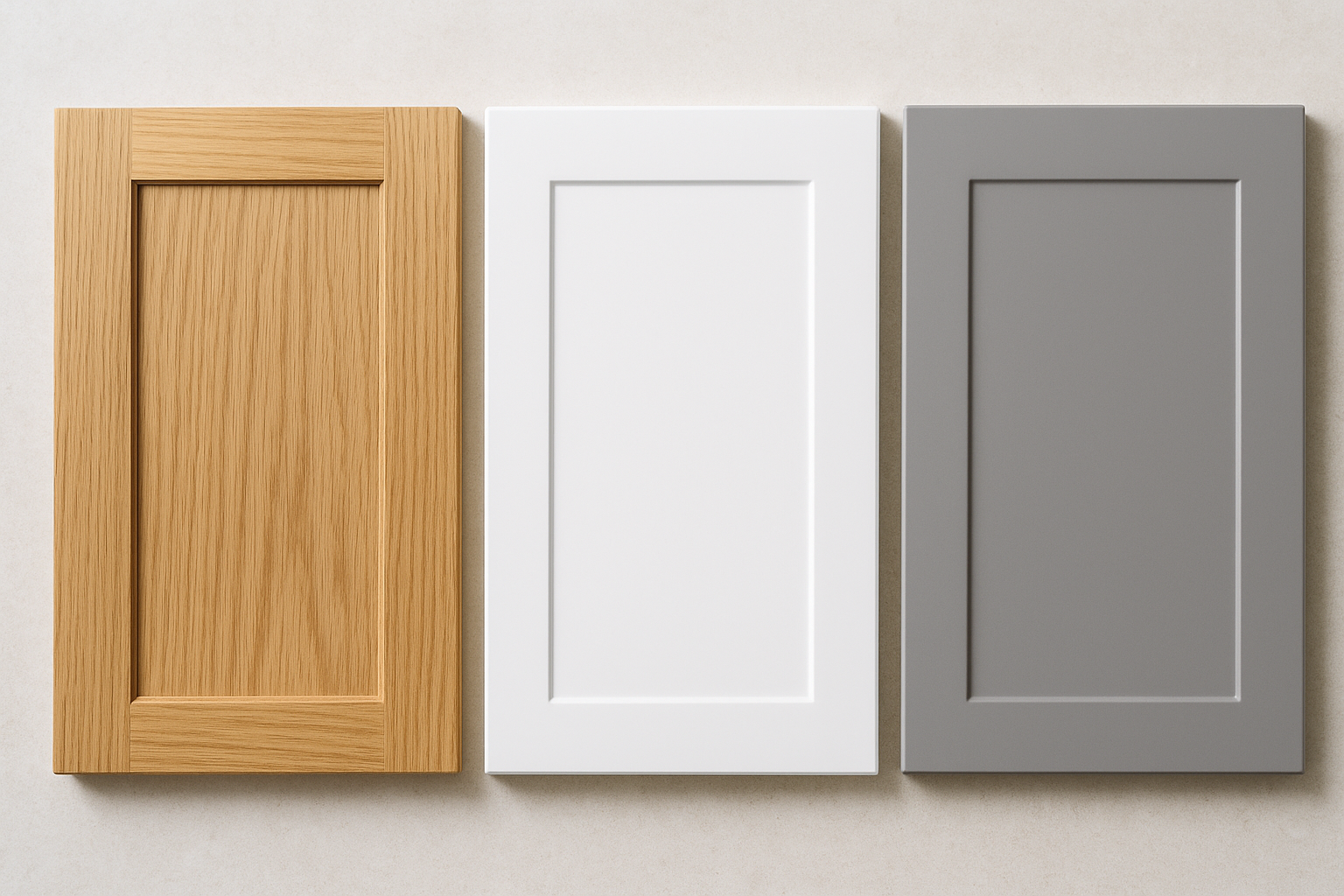
Choosing the right material is a key step in any successful home cabinet refacing project.
How Much Does Home Cabinet Refacing Cost in 2024?
Cost is naturally one of the first questions homeowners ask. In general, home cabinet refacing ranges from approximately $4,000 to $10,000, depending on kitchen size, material selection, and the number of doors involved.
In comparison, a full cabinet replacement typically starts at $15,000 and can climb past $30,000. Therefore, refacing represents a savings of roughly 40% to 60% for most homeowners — without sacrificing visual impact.
Cost Breakdown by Kitchen Size
- Small kitchen (10-12 cabinets): Approximately $4,000 to $6,000, depending on chosen material.
- Mid-size kitchen (13-20 cabinets): Approximately $6,000 to $8,500 for most material combinations.
- Large kitchen (21+ cabinets): Approximately $8,500 to $10,000 or more, particularly with real wood veneer.
Additionally, cabinet refacing can meaningfully improve resale appeal. The National Association of Realtors consistently reports that kitchen updates rank among the top home improvements for return on investment, which makes refacing a financially sound decision as well as an aesthetic one.
Getting an Accurate Estimate
The best way to understand your specific project cost is a professional consultation. A reputable company will measure your kitchen, discuss material preferences, and provide a detailed, transparent quote with no hidden fees. At Kitchen Transformations Cabinet Refacing, homeowners receive personalized consultations and honest pricing tailored to their kitchen layout and goals.
How Long Does Cabinet Refacing Last? Durability Explained
A properly executed home cabinet refacing project typically lasts 15 to 20 years, provided the underlying boxes remain structurally sound. Real wood veneer tends to hold up the longest, particularly when it is refinished every decade or so. Thermofoil and laminate, by comparison, resist moisture exceptionally well but can be more sensitive to prolonged direct heat exposure near ranges.
Above all, proper installation matters more than material choice. Consequently, adhesive quality and surface preparation — not just the veneer itself — are what determine whether your refaced cabinets look great for two decades or start peeling within a few years.
Is Your Kitchen a Good Candidate for Cabinet Resurfacing?
Not every kitchen is a fit for refacing. Specifically, look for these signs before committing to a project:
- Your cabinet boxes are free of water damage, warping, or soft spots.
- You are satisfied with your current kitchen layout and storage footprint.
- The style feels outdated, but the structure underneath is still solid.
- You want a faster, lower-cost alternative to a full remodel.
If any of these do not apply — for example, if your boxes are water-damaged or you want to expand your layout — full replacement is likely the smarter path forward.
Warranty and Long-Term Protection
A confident, experienced contractor will always back their home cabinet refacing work with a clear written warranty covering both materials and labor. Typical warranty terms range from five years on hardware to a limited lifetime warranty on veneer adhesion and door construction.
Therefore, before signing a contract, ask exactly what the warranty covers, how long it lasts, and whether it transfers to a new homeowner if you sell your house. A vague answer here is a meaningful red flag.
Financing Your Kitchen Cabinet Refacing Project
Many homeowners choose to finance their home cabinet refacing project rather than pay the full amount upfront. Common options include contractor-offered installment plans, home equity lines of credit, and low-interest personal loans specifically marketed for home improvement.
In particular, ask your contractor whether they offer promotional financing, such as zero-interest periods for a set number of months. This can make a mid-range project feel far more affordable spread across manageable monthly payments.
Choosing the Right Home Cabinet Refacing Specialist
Not all contractors offer the same level of expertise. In fact, many general contractors treat refacing as a secondary service rather than a specialized craft. For the best results, look for a company whose primary focus is home cabinet refacing specifically.
Key factors to evaluate include a verifiable portfolio of completed projects, transparent pricing, demonstrated experience with multiple material types, and strong local reviews. You can explore real project examples in the Kitchen Transformations project gallery to see the quality of finished work firsthand. Also review our Cincinnati Refacing Guide for local examples and case studies.
Similarly, a good specialist takes time to understand your lifestyle and daily kitchen use — not just your aesthetic preferences. The goal is a result that looks great and holds up to real, daily wear and tear.
Questions to Ask Before You Hire
Before signing any contract, ask the following: How long have you specialized in cabinet refacing? What materials do you carry? Do you offer a warranty on labor and materials? Can you provide references from recent local projects? For guidance on selecting a provider, read our choosing a cabinet refacing company guide.
Specifically, asking about warranties is critical, as outlined earlier. If a contractor hesitates or gives a vague answer, treat that as a warning sign and keep looking.
Ready to refresh your kitchen? Visit the Kitchen Transformations contact page to schedule a free consultation with dedicated home cabinet refacing specialists. Learn more about local options at Cabinet Refacing Cincinnati.
Frequently Asked Questions About Home Cabinet Refacing
What is home cabinet refacing?
Home cabinet refacing is the process of replacing cabinet doors and drawer fronts while applying new veneer or laminate to existing cabinet box frames. It refreshes your entire kitchen without removing the underlying structure, delivering a dramatic upgrade at a fraction of the cost of full replacement.
How much does home cabinet refacing typically cost?
Home cabinet refacing typically costs 30% to 50% less than full replacement. Most homeowners spend between $4,000 and $10,000, depending on kitchen size, material choice, and the number of doors involved.
How long does cabinet refacing take to complete?
Most projects are completed in two to four days — significantly faster than a full remodel, which can take several weeks. As a result, your kitchen is back in use almost immediately.
Is cabinet refacing worth it compared to full replacement?
Yes, for most homeowners whose cabinet boxes are structurally sound. It delivers a dramatic visual upgrade with far less disruption to daily life. For solid existing frames, refacing is almost always the smarter investment.
What materials are used in cabinet refacing?
Common materials include real wood veneer, rigid thermofoil (RTF), and laminate. Each offers different aesthetics, durability, and price points, so your specialist can help you choose the best fit for your kitchen.
Can I change my cabinet door style during refacing?
Absolutely. One of the major benefits is choosing an entirely new door style, from flat-panel modern designs to raised-panel traditional looks, dramatically changing your kitchen’s aesthetic in the process.
Will cabinet refacing increase my home’s resale value?
Yes, an updated kitchen can positively influence buyer perception and resale value. The National Association of Realtors consistently ranks kitchen updates among the top improvements for return on investment.
What are common mistakes to avoid with cabinet refacing?
Common mistakes include hiring a contractor without verifiable experience, choosing low-quality veneer, and skipping a structural inspection for water damage. Always verify box integrity first and request a detailed written quote.
Do I need to vacate my kitchen during the refacing process?
No, you do not need to fully vacate, though kitchen access will be limited during work. Most teams finish in two to four days, minimizing disruption to your household significantly.
Can cabinet refacing be done on any type of cabinet?
Refacing works best on cabinets with solid, structurally sound boxes. Cabinets with significant water damage or deterioration may need replacement instead. A professional assessment confirms whether yours qualify.
How do I choose the right cabinet refacing company?
Look for a strong local reputation, a portfolio of completed projects, transparent pricing, and specific refacing experience. Reading verified reviews and requesting local references is also strongly recommended.
Does home cabinet refacing include new hardware?
Many projects include new hardware such as handles, knobs, and hinges as part of the package. However, always confirm exactly what is included in your quote to avoid unexpected costs.
Is DIY cabinet refacing a good idea, or should I hire a professional?
DIY kits exist, but achieving a seamless, professional-grade bond requires specialized adhesive application and precise measuring. For most homeowners, hiring a specialist produces a far more durable and polished result.
Does cabinet refacing come with a warranty?
Reputable contractors typically offer written warranties ranging from five years on hardware to a limited lifetime warranty on veneer adhesion. Always confirm coverage details and transferability before signing your contract.
Conclusion: Why Home Cabinet Refacing Is the Smarter Kitchen Upgrade
Home cabinet refacing is, without question, one of the most cost-effective and efficient ways to transform your kitchen. It preserves what already works, replaces what you actually see, and delivers results that rival a full remodel at a fraction of the price and timeline.
Working with a locally focused specialist means personalized service, faster turnaround, and a team that understands your regional market and climate. Whether you want to update outdated finishes, switch door styles, or simply breathe new life into a tired kitchen, home cabinet refacing offers a practical, beautiful solution backed by real cost savings, faster timelines, and a smaller environmental footprint. See local financing and service options at Cincinnati Cabinet Refacing.
With the right materials, a clear warranty, and an experienced team, your finished result will hold up beautifully for years to come. If you are ready to explore what is possible, reach out to Kitchen Transformations Cabinet Refacing today for a free, no-obligation consultation.