A kitchen refacing guide helps homeowners understand how to refresh cabinet doors, drawer fronts, and surfaces without tearing out an entire kitchen. For many households across Cincinnati and beyond, this approach offers a faster, more budget-friendly path to a modern look. This guide walks through the process, typical costs, and practical tips so you can decide whether refacing fits your home and timeline.
Quick Answer: Kitchen refacing replaces cabinet doors, drawer fronts, and hardware while covering existing cabinet boxes with matching veneer or laminate. It delivers a remodeled look in a matter of days, typically at 30 to 50 percent less cost than full cabinet replacement.
What Does a Kitchen Refacing Guide Cover?
A thorough kitchen refacing guide covers four core areas: the step-by-step process, realistic costs, material choices, and how refacing compares to a full remodel. Understanding these basics upfront helps homeowners set expectations before work begins.
In particular, refacing focuses on the parts of the kitchen you see and touch every day. Instead of demolishing cabinet boxes, contractors apply a thin layer of veneer, a wood-look material bonded to the surface, over the existing structure. Meanwhile, doors and drawer fronts are replaced entirely, so the change feels dramatic even though the framework stays put. Learn how refacing can accommodate new appliances during updates.
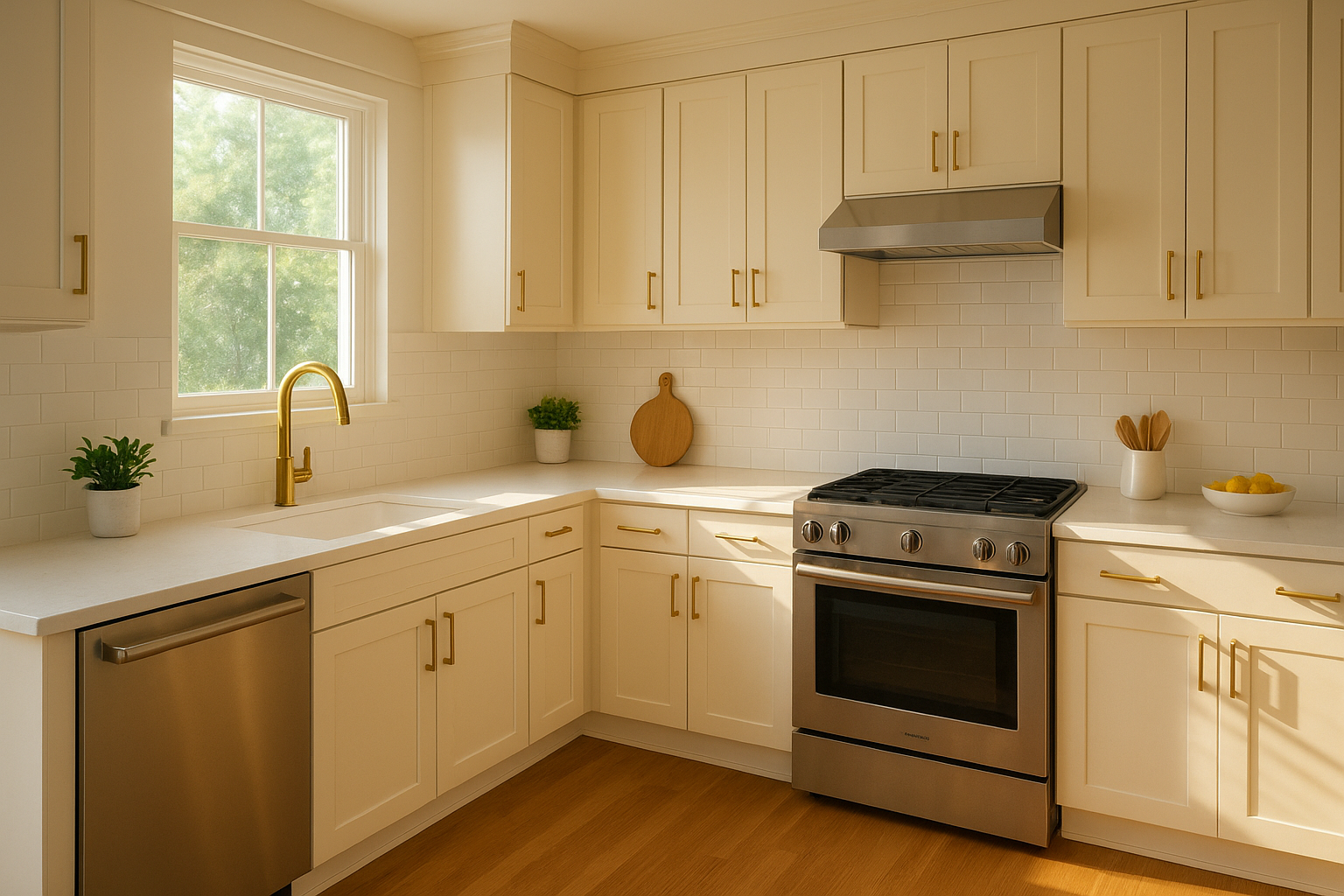
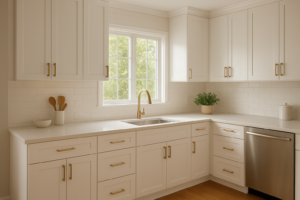
A finished kitchen refacing guide project featuring new cabinet doors, veneer surfaces, and updated hardware.
Why Homeowners Choose Cabinet Refacing Over a Full Remodel
Cost and disruption are the two biggest reasons homeowners lean toward cabinet refacing. A full kitchen remodel often means weeks without a functioning kitchen, plus the expense of new cabinet boxes, plumbing adjustments, and sometimes electrical work.
Refacing, on the other hand, keeps the existing layout intact. As a result, homeowners avoid rerouting plumbing or electrical lines, which keeps both the budget and the calendar much more manageable. For a deeper look at whether refacing makes financial sense for your situation, this breakdown of cabinet refacing as an investment is worth reviewing.
Additionally, refacing gives homeowners a chance to update door styles, finishes, and hardware without losing storage layouts they already rely on daily. Consequently, families with young kids or busy schedules can enjoy an updated kitchen with minimal downtime.
How Much Does Kitchen Cabinet Refacing Cost?
On average, kitchen cabinet refacing costs 30 to 50 percent less than replacing cabinets entirely. Many projects fall in a range of a few thousand dollars up to roughly $10,000, depending on kitchen size, door style, and material selections.
According to the National Association of Realtors’ Remodeling Impact Report, homeowners typically recover a substantial share of minor kitchen upgrade costs through improved resale appeal. Therefore, refacing often delivers strong value relative to its price tag, especially compared with a gut renovation.
Homes built before 1978 deserve special attention here. Specifically, the EPA’s Renovation, Repair and Painting Rule requires lead-safe practices whenever painted surfaces are disturbed, which can affect labor costs on older kitchens. A reputable contractor will factor this into your estimate rather than surprise you later.
The Cabinet Refacing Process: Step-by-Step
Every reputable cabinet refacing guide should outline a clear sequence of steps. Below is the typical process from start to finish.
- Schedule a consultation and design assessment. A specialist visits the kitchen to measure cabinet boxes, evaluate their condition, and discuss door styles, finishes, and budget goals with the homeowner.
- Select materials, finishes, and hardware. Homeowners choose veneer or laminate finishes, new door and drawer front styles, and hardware such as handles and hinges that match their vision.
- Prepare the kitchen and remove existing doors. The crew protects countertops and floors, removes old doors and drawer fronts, and cleans cabinet box surfaces before applying new veneer.
- Apply veneer and install new doors. Technicians apply matching veneer to exposed surfaces, then install newly ordered doors, drawer fronts, and hardware for a cohesive finish.
- Complete a final walkthrough and inspection. The team checks door alignment, hardware function, and finish quality with the homeowner before closing out the project.
For a more detailed walkthrough of what happens on-site, this step-by-step cabinet refacing process guide expands on each stage. Similarly, homeowners who want to know what to expect day-by-day can review this complete guide to cabinet refacing expectations.
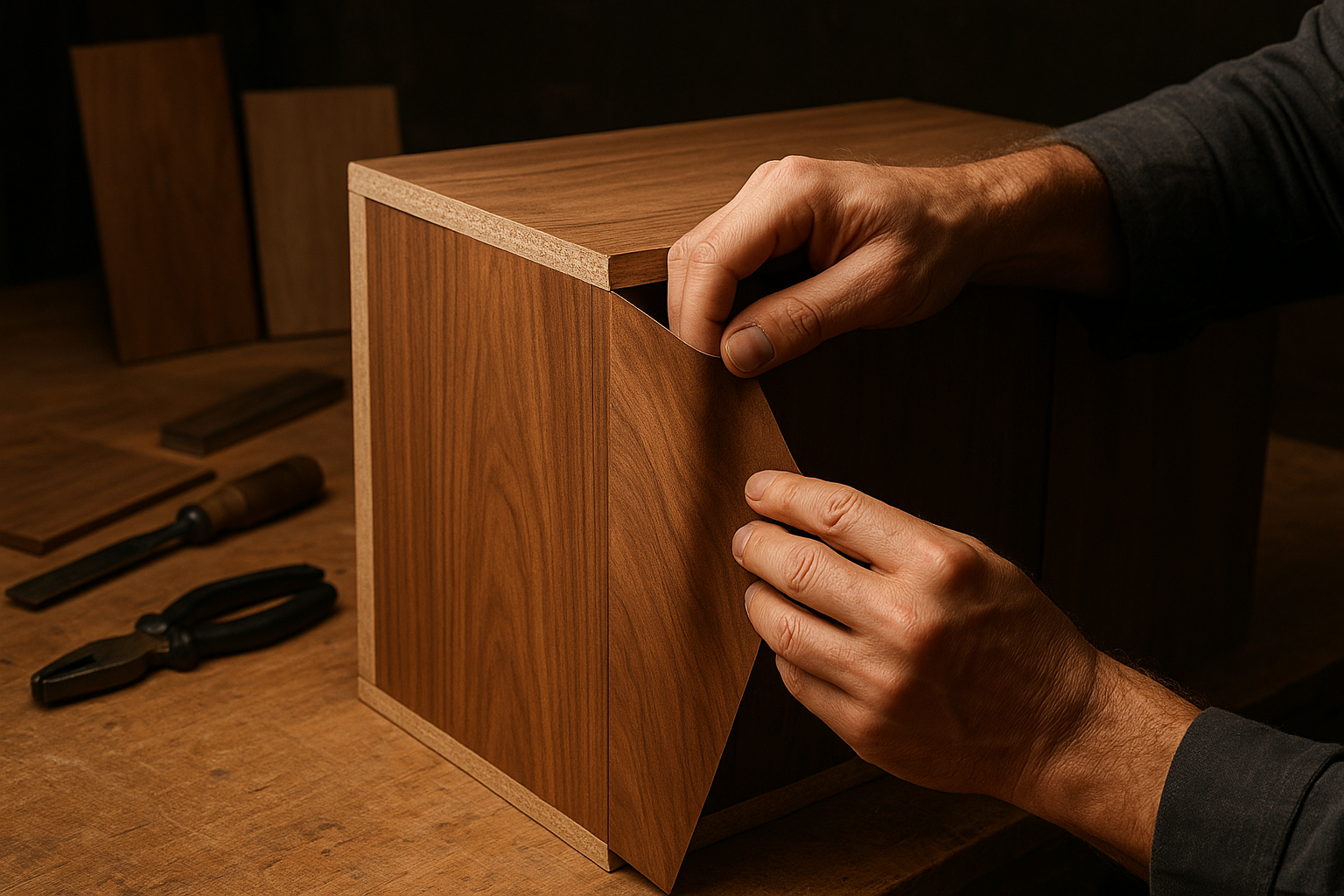
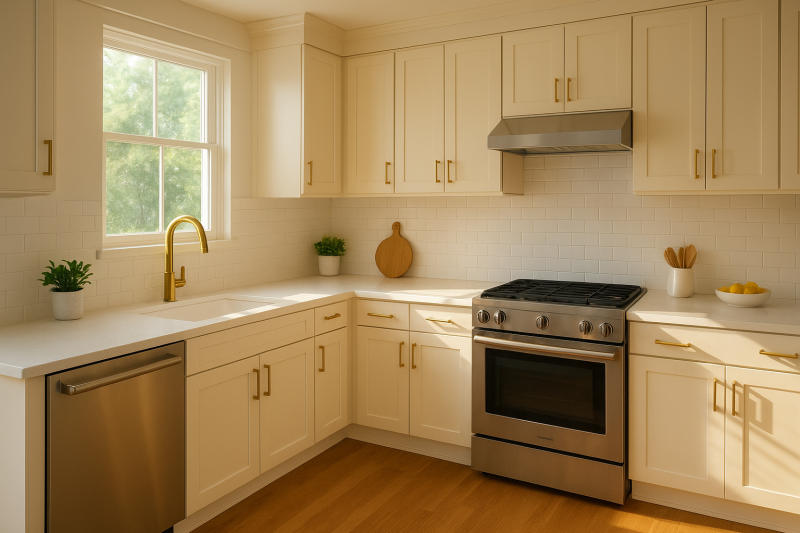
Applying matching veneer is one of the core steps in any cabinet refacing process.
Refacing vs. Replacing Cabinets: Which Is Right for You?
Choosing between refacing and replacing depends on the condition of your cabinet boxes and your overall goals. The table below highlights the main differences.
| Factor | Refacing | Replacing |
|---|---|---|
| Average Cost | 30-50% less | Higher |
| Typical Timeline | 3-7 days | Several weeks |
| Layout Changes | Not possible | Fully flexible |
| Best For | Sound cabinet boxes | Damaged or outdated layouts |
If your cabinet boxes are structurally solid, refacing usually makes more sense. However, if boxes show water damage or you want a completely different layout, replacement may be the better route. According to general information on kitchen cabinet construction, box materials and joinery quality play a big role in how well cabinets hold up over time, which is worth checking before deciding.
Common Mistakes in a Kitchen Refacing Project
Even a straightforward refacing project can go sideways without proper planning. For example, choosing a contractor based on the lowest bid alone often leads to rushed workmanship or mismatched finishes.
Likewise, skipping hardware planning can leave you with handles that clash with your new door style. Above all, ignoring the condition of cabinet boxes before starting can cause bigger problems mid-project. This overview of what to know before starting a cabinet refacing project covers these pitfalls in more depth.
How to Choose a Cabinet Refacing Company in Cincinnati
Not every contractor specializes in refacing, so experience matters. Look for a company that can show completed projects similar in scope to your kitchen, along with transparent pricing and clear warranty terms. If you need help vetting options, see how to choose a quality refacing service in your area.
For homeowners throughout the greater Cincinnati area, KT Cabinet Refacing focuses specifically on cabinet refacing rather than general remodeling, which means the process is streamlined and tailored to everyday functionality. Their team works closely with each homeowner to match door styles, finishes, and budgets to the final result.
In addition, comparing a few local specialists such as resources from established renovation publications can help you benchmark pricing and material options before signing a contract. If you’d rather explore a lower-cost path first, this kitchen makeover sweepstakes and DIY comparison is a helpful starting point.
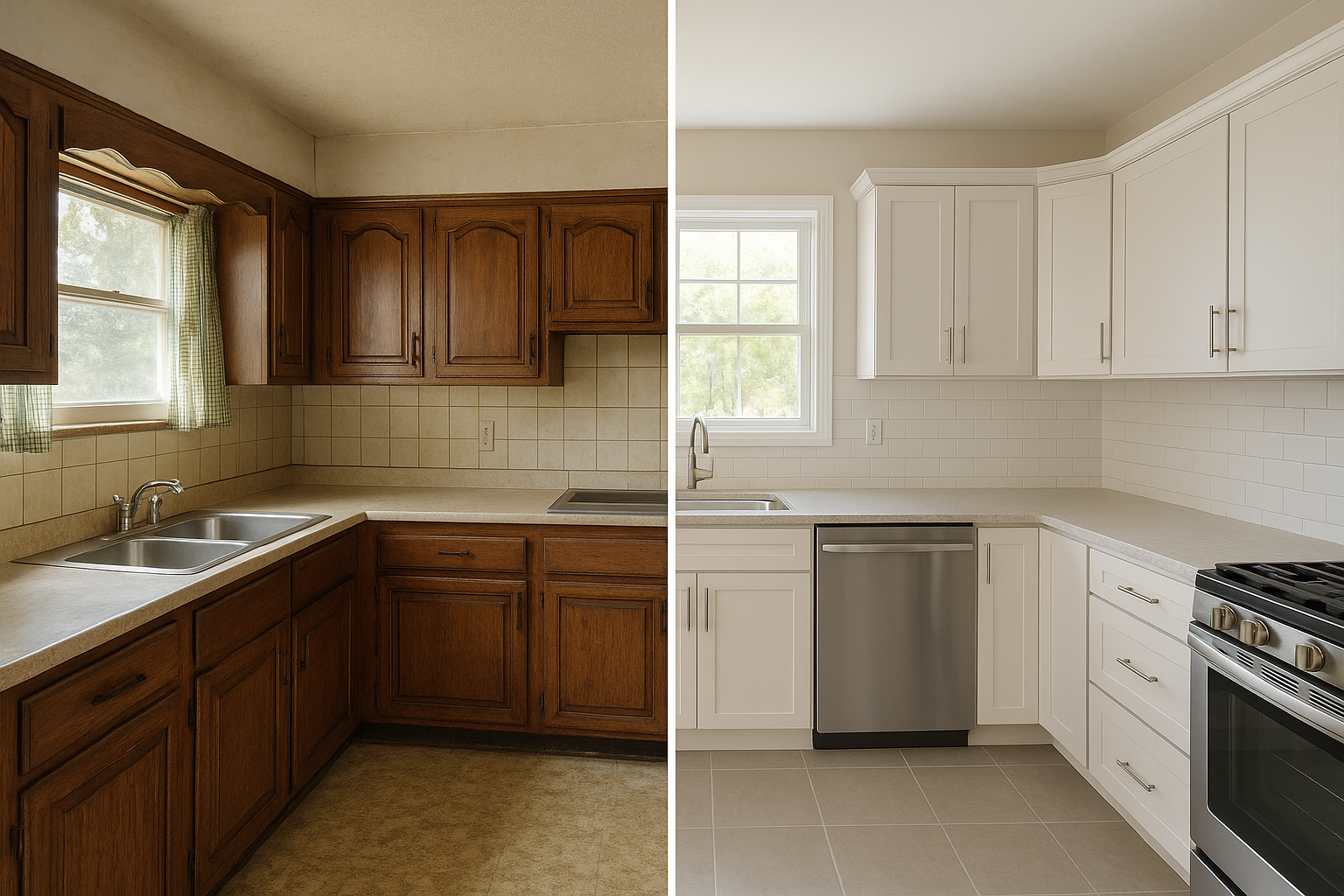
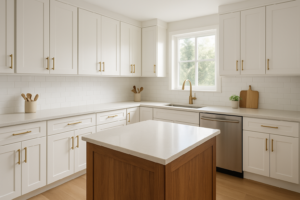
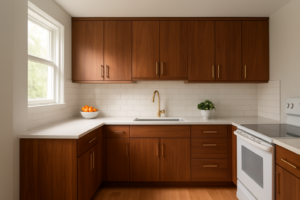
A before-and-after comparison highlights the visual impact refacing can achieve.
Frequently Asked Questions About Kitchen Refacing
What is covered in a kitchen refacing guide?
A kitchen refacing guide typically explains the process, materials, costs, and timeline involved in updating cabinet exteriors instead of replacing the entire kitchen. It helps homeowners compare refacing against remodeling before committing to a project. Read more about ways to update cabinets without replacement for practical options.
What is cabinet refacing?
Cabinet refacing means replacing cabinet doors and drawer fronts while covering the existing cabinet boxes with matching veneer. The cabinet layout and boxes stay in place, which keeps costs and disruption lower than a full replacement.
How does cabinet refacing differ from cabinet replacement?
Refacing updates only the visible surfaces of existing cabinets, while replacement removes and rebuilds the entire cabinet structure. As a result, refacing generally costs less and takes far less time to complete.
How long does a kitchen refacing project take?
Most kitchen refacing projects are completed in about three to seven days, depending on kitchen size and material selections. In contrast, a full remodel can take several weeks or longer.
How much does kitchen refacing cost on average?
Kitchen refacing typically costs 30 to 50 percent less than a full cabinet replacement, with many projects ranging from a few thousand dollars up to around $10,000 depending on kitchen size. Final pricing depends on materials, door style, and hardware choices.
Is kitchen refacing a good investment?
Yes, kitchen refacing is often a strong investment because it refreshes one of the most-used rooms in the home at a fraction of remodeling costs. Many homeowners recover a meaningful portion of that cost through improved resale appeal.
Can all cabinets be refaced?
Most cabinets can be refaced as long as the existing boxes are structurally sound and properly aligned. However, cabinets with water damage, warping, or severe wear may need partial replacement instead.
What materials are used in cabinet refacing?
Common materials include wood veneer, rigid thermofoil, and laminate for cabinet boxes, paired with new solid wood or engineered doors. Material choice affects both durability and overall cost.
Do I need to replace countertops when refacing cabinets?
No, countertop replacement is optional and separate from cabinet refacing. That said, many homeowners choose to update countertops at the same time for a more complete kitchen refresh.
What are common mistakes homeowners make with kitchen refacing?
Common mistakes include choosing a contractor based on price alone, skipping hardware planning, and ignoring cabinet box condition before starting. Careful planning upfront helps avoid costly delays later.
How do I choose a cabinet refacing company?
Look for a company with local experience, clear pricing, and a portfolio of completed refacing projects similar to your kitchen style. Reading reviews and asking about warranty coverage also helps narrow the decision.
Will refacing my cabinets increase home value?
Refacing can increase perceived home value by modernizing the kitchen’s appearance, which is often a top priority for buyers. While it may not add as much value as a full remodel, it offers a favorable cost-to-benefit ratio.
Can I reface cabinets myself, or should I hire a professional?
DIY refacing kits exist, but achieving a seamless, durable finish usually requires professional tools and experience. Hiring a professional reduces the risk of misaligned doors or peeling veneer over time.
What’s the difference between refacing and repainting cabinets?
Repainting only changes the color of existing doors, while refacing replaces doors and drawer fronts entirely and re-surfaces the boxes. Refacing offers more design flexibility, including new door styles and hardware.
How do I maintain refaced cabinets?
Wipe surfaces with a soft cloth and mild cleaner, and avoid abrasive scrubbers that can damage veneer or finishes. Routine care like this helps refaced cabinets look new for many years.
Final Thoughts: Using This Kitchen Refacing Guide
Ultimately, this kitchen refacing guide shows that updating cabinet doors, drawer fronts, and finishes can transform a kitchen without the cost and disruption of a full remodel. Because the existing cabinet boxes stay in place, homeowners save both time and money while still achieving a noticeably fresher look.
Before starting, take time to evaluate cabinet box condition, compare local contractors, and review resources like this cabinet refacing specialist’s project overview to set realistic expectations. With the right planning, a refacing project can deliver lasting value and a kitchen that fits your everyday life. This guide was written by KT Cabinet Refacing; last updated 2026-07-13 with credentialed installers and warranty details.