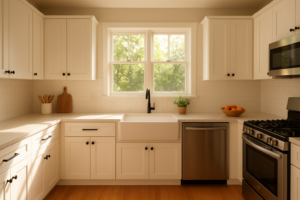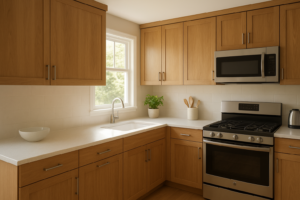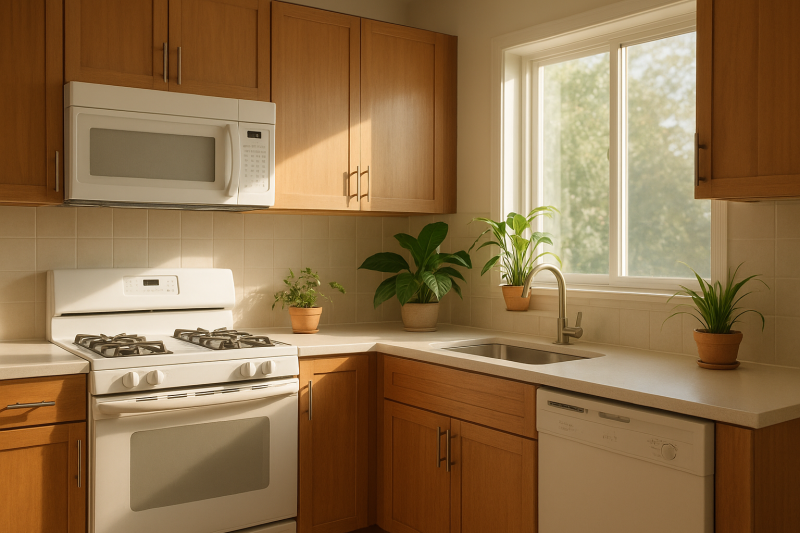
Sustainable kitchen renovations focus on reducing environmental impact while still improving how your kitchen looks and works. For homeowners across Cincinnati, this often means choosing cabinet refacing over a full teardown, picking responsibly sourced materials, and cutting down on landfill waste. As a result, you get a fresher kitchen without the guilt of unnecessary demolition. In this guide, we will walk through how to update cabinets without replacement and how to plan one step by step, and why refacing is one of the greenest choices available today.
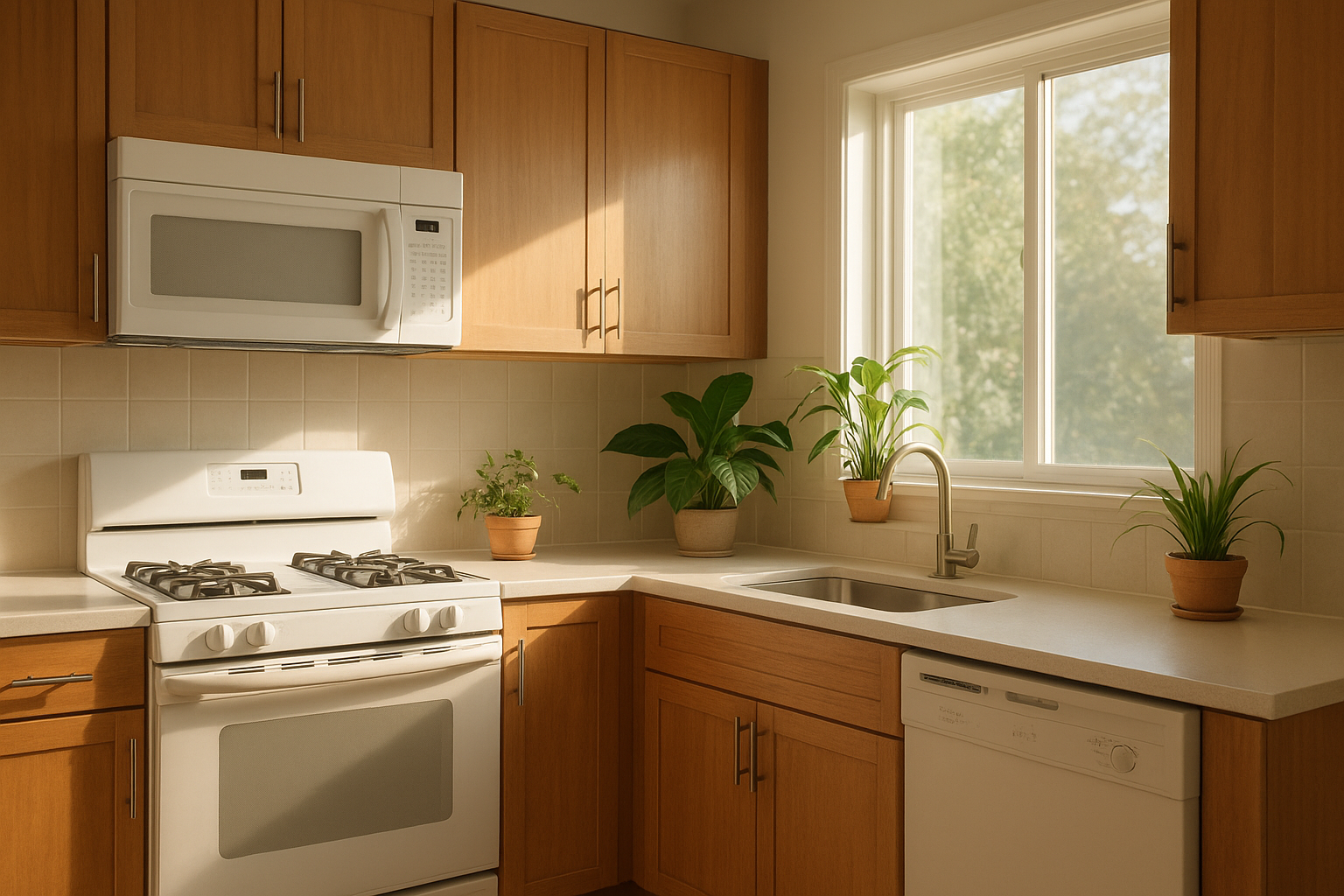
A refaced kitchen is one of the simplest ways to approach sustainable kitchen renovations without a full teardown.
What Are Sustainable Kitchen Renovations?
Sustainable kitchen renovations are updates to a kitchen’s design, materials, or systems that reduce waste, conserve resources, and minimize environmental impact. Rather than tearing out cabinets and sending them to a landfill, this approach reuses existing structures whenever possible. In fact, the EPA reports that construction and demolition debris accounts for hundreds of millions of tons of waste generated in the United States each year.
Specifically, that means choosing refinishing or refacing over demolition, selecting low-VOC (volatile organic compound, a chemical that can off-gas into indoor air) finishes, and prioritizing durable materials that last longer. In addition, many homeowners pair these updates with energy-efficient lighting or appliances. Together, these choices add up to a meaningfully lower environmental footprint.
Why Sustainable Kitchen Renovations Matter for Cincinnati Homeowners
Cincinnati’s housing stock includes many older homes with original cabinetry that is still structurally sound. Because of this, full cabinet replacement is often unnecessary. Instead, refacing preserves the existing cabinet boxes while updating doors, drawer fronts, and hardware for a modern look.
Consequently, homeowners avoid the disruption of a gutted kitchen, which can take weeks longer to complete. Above all, this approach keeps usable materials out of landfills while still delivering a dramatic visual transformation. You can browse examples of local projects through KT Cabinet Refacing to see how this looks in practice.
Eco-Friendly Kitchen Upgrades That Deliver Real Results
Not every eco-friendly kitchen upgrade requires a full renovation budget. For example, swapping outdated cabinet doors for refaced surfaces instantly updates the room while reusing the existing frame. Similarly, adding LED lighting reduces energy use without any structural changes.
For a deeper look at specific product choices, this guide to eco-friendly cabinet options for a greener kitchen outlines material choices in more detail. In contrast to full replacement, these targeted upgrades often cost less and take far less time to complete.
How Cabinet Refacing Supports Green Kitchen Remodeling
Cabinet refacing is one of the clearest examples of green kitchen remodeling in action. Since the existing boxes stay in place, less raw material is needed, and less debris ends up in a dumpster. Therefore, homeowners who want a modern kitchen without excessive waste often start here.
If you are weighing your options, this comparison of ways to modernize your kitchen without a remodel explains how refacing stacks up against other approaches. Learn more about the process at custom cabinet refacing in Cincinnati.
Quick Answer: Sustainable kitchen renovations are updates that reduce waste and resource use, most commonly through cabinet refacing trends, low-VOC finishes, and energy-efficient upgrades, rather than a full teardown-and-replace remodel.
5 Steps to Plan Your Sustainable Kitchen Renovation
Planning ahead makes the biggest difference in how much waste a project generates. Below is a simple, sequential process homeowners can follow; see our kitchen refacing guide for detailed costs and process tips.
- 1. Assess Your Current Cabinets: Inspect your existing cabinet boxes to determine whether the frames are structurally sound enough to reface instead of replace.
- 2. Choose Refacing Over Full Replacement: Select cabinet refacing when possible, since it reuses the existing structure and significantly reduces construction and demolition waste.
- 3. Select Sustainable Materials and Finishes: Find kitchen cabinet design solutions and choose FSC-certified wood, bamboo veneers, or low-VOC finishes to lower the environmental impact of your new cabinet surfaces.
- 4. Plan for Energy-Efficient Upgrades: Pair your cabinet updates with energy-efficient lighting or appliances to further reduce your kitchen’s long-term energy consumption.
- 5. Work with a Local, Experienced Team: Hire a local specialist who understands sustainable sourcing and can minimize material waste throughout the installation process.
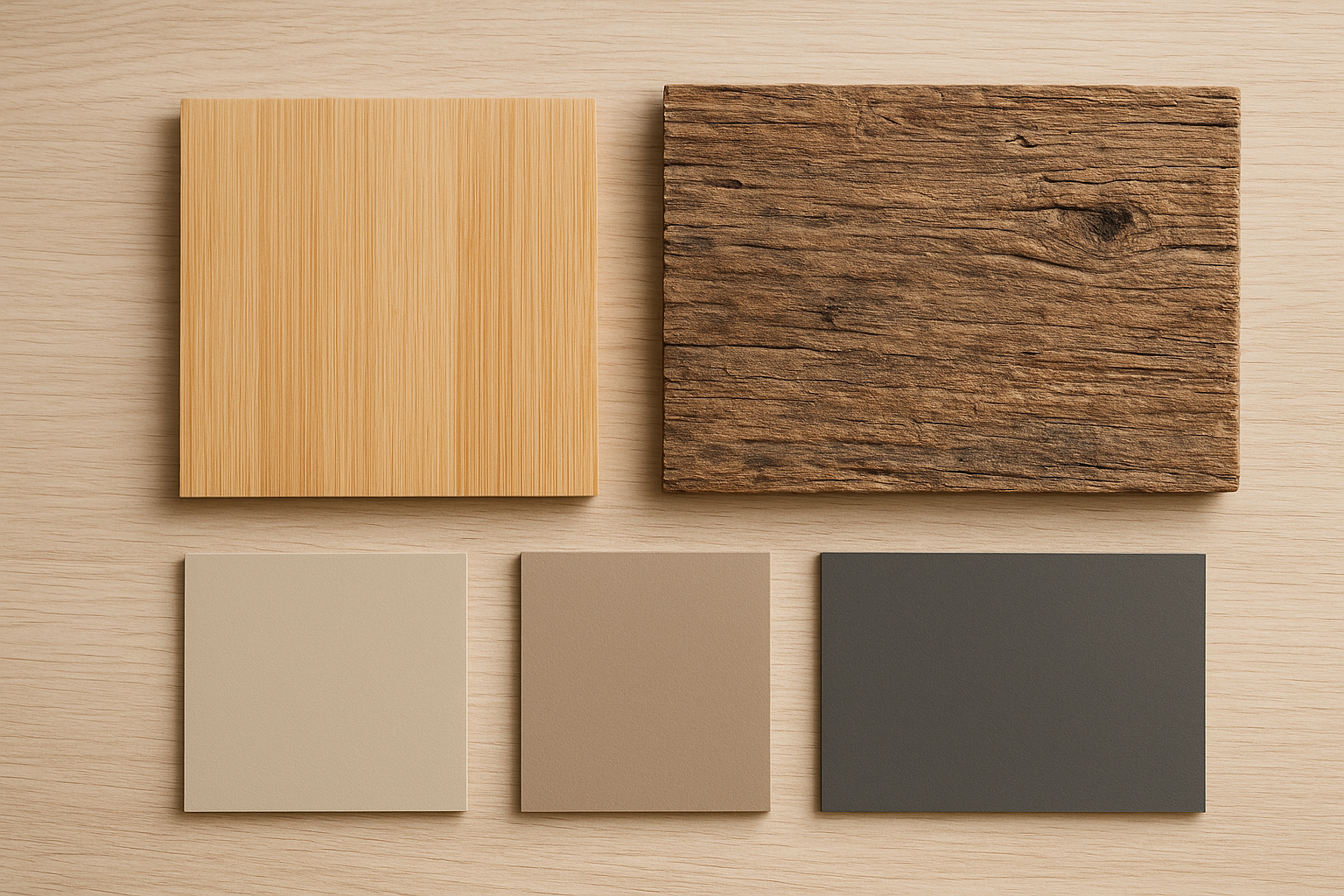
Choosing responsibly sourced materials is a core part of sustainable kitchen renovations.
Sustainable Materials to Consider for Your Kitchen Makeover
Material choice plays a major role in how green a project truly is. Bamboo, for instance, regenerates far faster than hardwood trees, making it a popular renewable option. Reclaimed wood, on the other hand, gives salvaged material a second life instead of adding new demand on forests.
Look for wood certified by the Forest Stewardship Council, which verifies responsible forestry practices. Similarly, low-VOC paints and sealants reduce indoor air pollutants, a topic covered in more depth by the Wikipedia entry on sustainable design.
Cost Considerations for Environmentally Friendly Kitchen Updates
Budget is often the deciding factor for homeowners weighing a full remodel against refacing. Generally, refacing costs 30 to 50 percent less than a complete cabinet replacement, according to industry estimates from kitchen and bath trade associations. This makes environmentally friendly kitchen updates more attainable for many households.
For a closer look at pricing strategies, see this breakdown of cost-effective kitchen solutions that transform your space. Meanwhile, the U.S. Department of Energy notes that pairing renovations with efficient lighting and appliances can lower ongoing utility costs as well.
Avoiding Common Mistakes in Sustainable Kitchen Renovations
One frequent mistake is assuming a full teardown is the only path to a modern kitchen. In reality, refacing achieves a similar visual transformation with far less waste and disruption. Another common misstep is skipping material research, which can lead to finishes that off-gas more than expected.
Homeowners curious about lower-effort alternatives might also enjoy this feature on a kitchen makeover sweepstakes and DIY options. Ultimately, thoughtful planning avoids most of these pitfalls entirely.
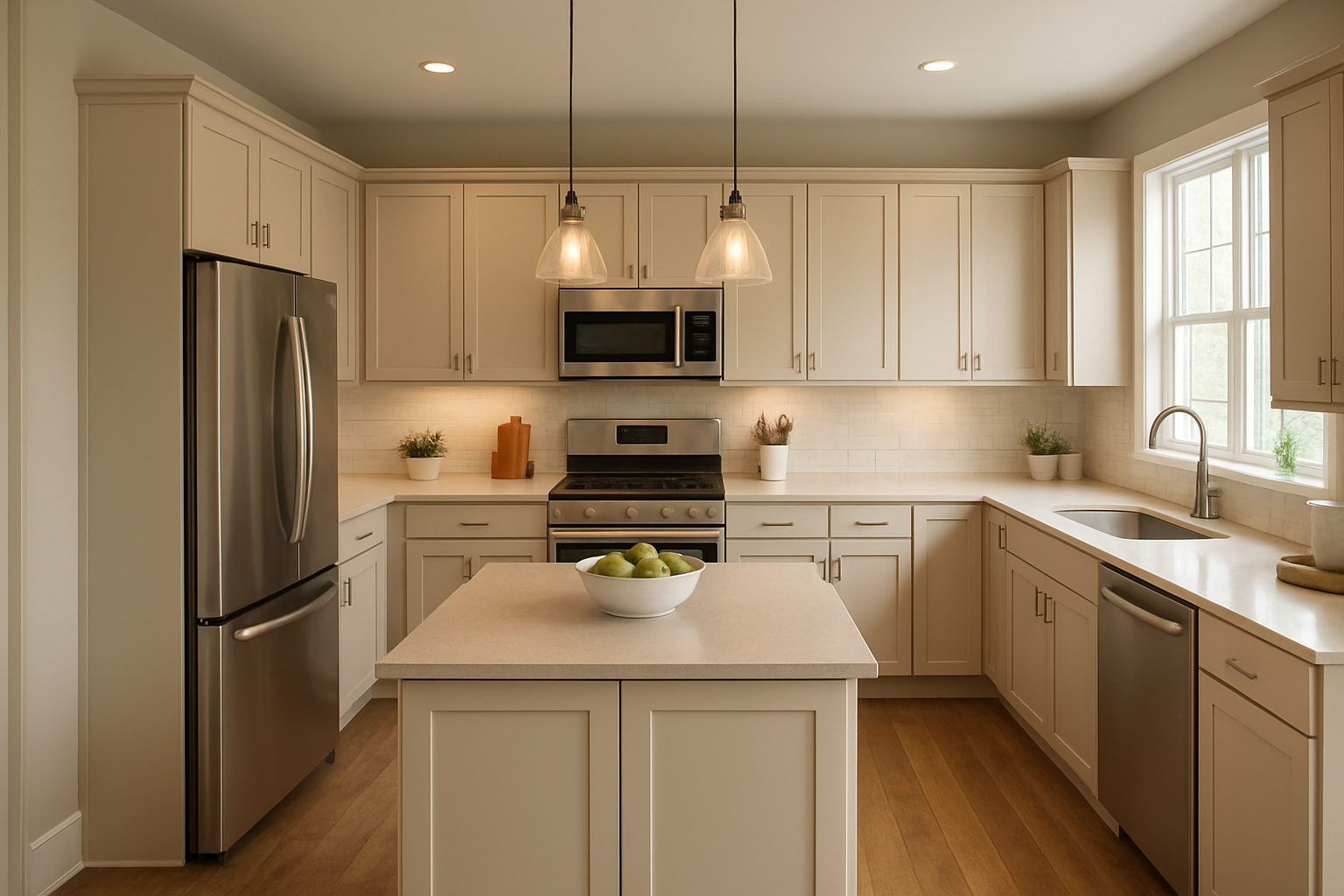
A completed Cincinnati kitchen reflects the lasting value of sustainable kitchen renovations.
Frequently Asked Questions About Sustainable Kitchen Renovations
What are sustainable kitchen renovations?
Sustainable kitchen renovations are updates that reduce waste, conserve resources, and lower environmental impact while improving a kitchen’s look and function. This often includes reusing cabinet boxes, choosing responsibly sourced materials, and improving energy efficiency.
How is cabinet refacing different from a full remodel?
Cabinet refacing keeps the existing cabinet boxes in place and updates only the doors, drawer fronts, and surfaces. A full remodel removes everything, which creates far more construction waste and takes significantly longer.
Why do sustainable kitchen renovations matter for the environment?
They matter because construction and demolition debris makes up a large share of landfill waste in the United States. Reducing that waste through refacing and reuse directly lowers a household’s environmental footprint.
How much do sustainable kitchen renovations typically cost?
Costs vary based on cabinet size and material choices, but refacing generally runs 30 to 50 percent less than full cabinet replacement. This makes eco-friendly upgrades more accessible for many homeowners.
How long does a sustainable kitchen renovation take?
Most cabinet refacing projects are completed in a few days to about two weeks, depending on kitchen size. A full sustainable remodel with new materials throughout may take several weeks longer.
What materials are considered sustainable for kitchen cabinets?
Bamboo, reclaimed wood, FSC-certified lumber, and low-VOC finishes are commonly used in sustainable kitchen renovations. These materials reduce harmful emissions and support responsible forestry practices.
Can cabinet refacing be considered a green remodeling option?
Yes, cabinet refacing is widely considered a green remodeling option because it keeps existing cabinet boxes out of landfills. It also uses fewer new raw materials than a full cabinet replacement.
What is the biggest mistake homeowners make with eco-friendly kitchen upgrades?
The most common mistake is assuming full demolition is required to achieve a modern look. In many cases, refacing or refinishing existing cabinets delivers the same visual impact with far less waste.
Do sustainable kitchen renovations increase home value?
Updated, energy-conscious kitchens are attractive to buyers and can support resale value. While exact returns vary by market, a refreshed kitchen is consistently one of the more valuable home improvements.
How do low-VOC finishes support a healthier home?
Low-VOC finishes release fewer volatile organic compounds into indoor air compared to traditional paints and coatings. This improves indoor air quality, which matters most in frequently used rooms like the kitchen.
What is the difference between sustainable kitchen renovations and green remodeling in general?
Sustainable kitchen renovations focus specifically on the kitchen space, including cabinets, materials, and appliances. Green remodeling is a broader term that can apply to any room or system in the home.
Should I hire a local contractor for sustainable kitchen renovations?
Working with a local, experienced team helps ensure materials are sourced responsibly and installation waste is minimized. Local contractors also reduce transportation emissions compared to shipping materials long distances.
Final Thoughts on Sustainable Kitchen Renovations
In the end, sustainable kitchen renovations offer a practical path to a fresher kitchen without the waste and cost of a full teardown. By choosing refacing, responsibly sourced materials, and energy-efficient upgrades, homeowners can reduce their environmental footprint while still achieving a beautiful result. Above all, careful planning and the right local team make the difference between a project that feels wasteful and one that feels genuinely sustainable.
If you are ready to explore your options, visit ktcabinetrefacing.com to see how a Cincinnati-based team approaches sustainable kitchen renovations one project at a time. Written by Kitchen Transformations, Cincinnati-based remodeling experts. Last updated: 2026-08-12. Authored by the KT Cabinet Refacing team. Last updated: 2026-07-28.