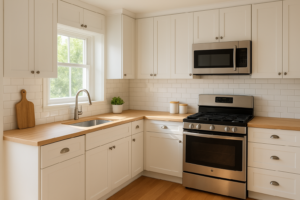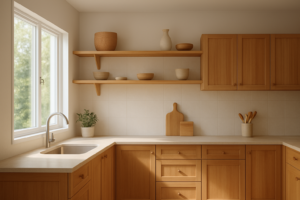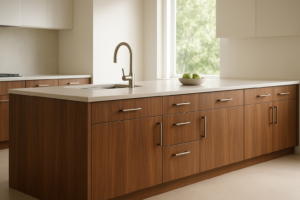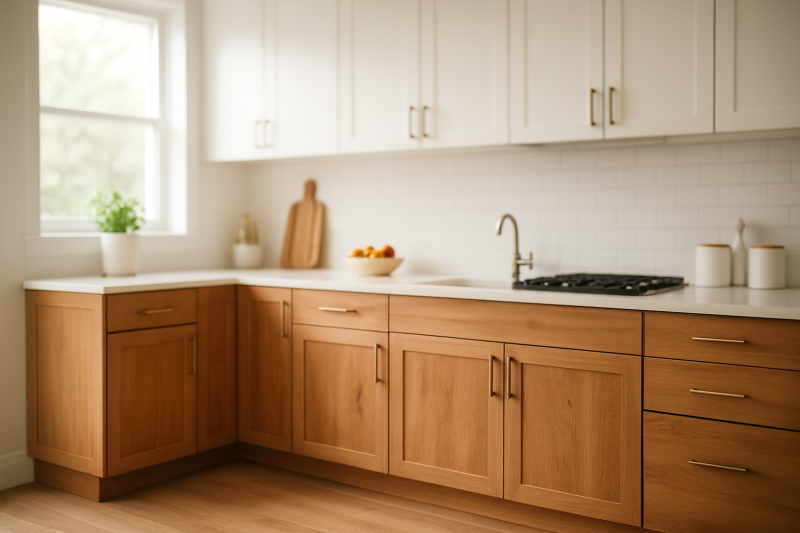
Lower cabinets refacing is the fastest, least disruptive way for Cincinnati homeowners to transform base kitchen cabinets without gutting the room down to the studs. Instead of tearing out cabinet boxes that are still structurally sound, refacing replaces the doors, drawer fronts, and visible surfaces so your lower cabinets look brand new in a matter of days. In particular, this method appeals to homeowners chasing a modern kitchen look who want to avoid the cost, dust, and weeks-long timeline that come with a full cabinet replacement. Learn more about lower cabinets refacing services in Cincinnati.
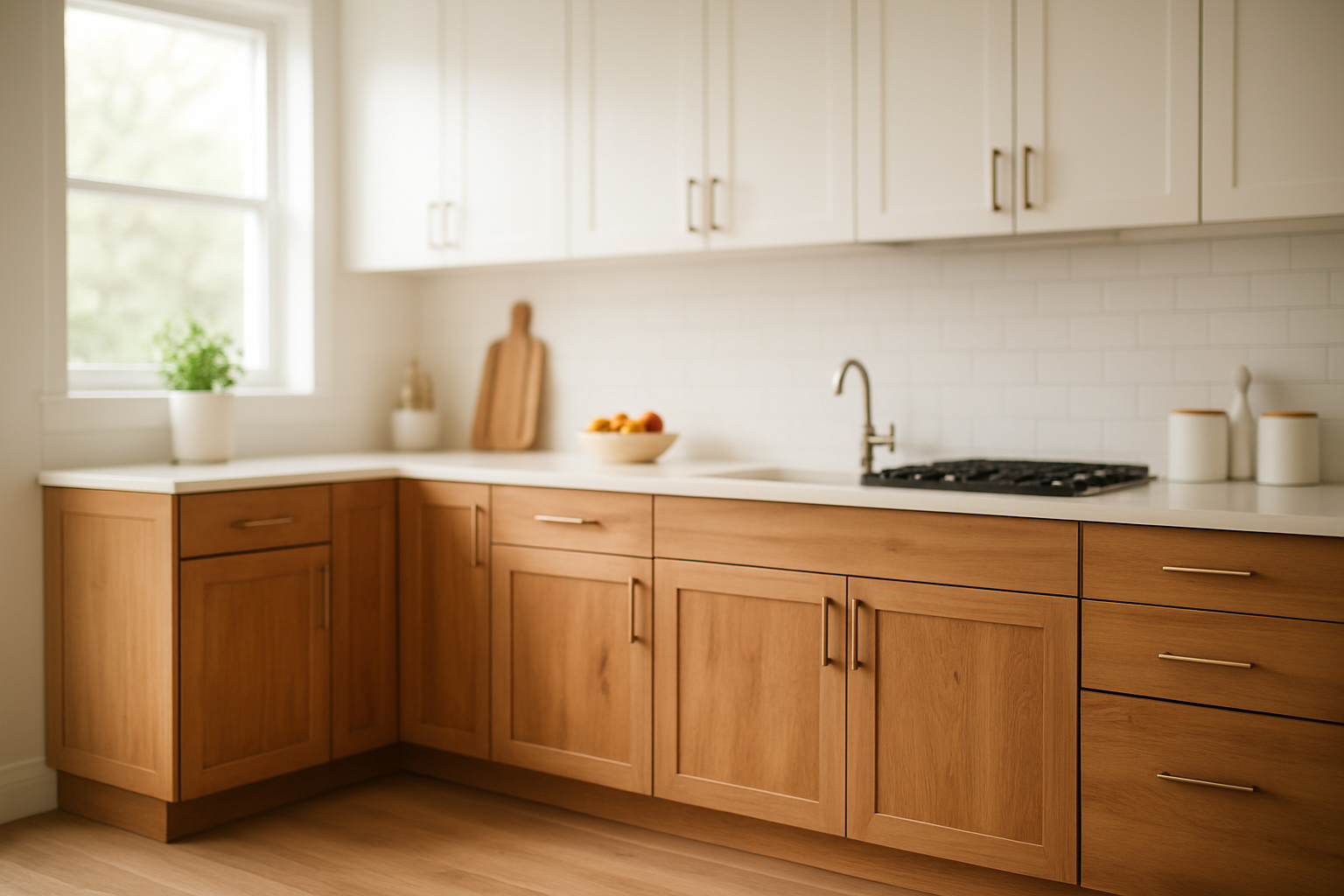
Lower cabinets refacing brings a fresh, cohesive look to base cabinets without a full teardown.
Quick answer: Lower cabinets refacing replaces the doors, drawer fronts, and exposed panels on base kitchen cabinets while keeping the original cabinet boxes intact. It typically costs 30 to 50 percent less than full replacement, takes just two to five days, and — unlike generic “cheap cabinet reface” hacks such as contact paper — can be done by professional refacing services with materials built to withstand years of daily wear.
How base cabinet resurfacing works
Lower cabinets refacing is a renovation method that resurfaces the visible parts of base cabinets — doors, drawer fronts, side panels, and face frames (the wood strips across the front of the cabinet box) — without removing the underlying structure. Because the boxes stay put, plumbing and electrical connections under the sink or near the dishwasher typically stay undisturbed. As a result, this approach causes far less disruption than tearing out and rebuilding a kitchen from scratch.
Cabinetry itself refers to the built-in storage units found in kitchens and bathrooms, and refacing is simply one way to update that cabinetry’s appearance. For a deeper technical overview, Wikipedia’s entry on cabinetry offers useful background on how these structures are built. Notably, most general guides online focus on cabinets as a whole, but lower cabinets face different stress than uppers — more moisture, more foot-level scuffing, and heavier daily use — which is exactly why this guide treats them as their own topic.
Lower Cabinet Refacing vs. “Cheap” DIY Hacks: What Actually Works
Many guides promote ultra-cheap shortcuts for refacing lower cabinets, such as contact paper, adhesive vinyl, or a quick coat of paint. However, these shortcuts often skip the details that determine whether the result lasts one year or fifteen. Below, we break down each budget method honestly — including where it falls short — so you can choose with your eyes open.
Peel-and-Stick Veneer and Contact Paper: Pros and Cons
Peel-and-stick veneer is inexpensive and easy to apply, which makes it tempting for a weekend project. In contrast, it tends to bubble, peel at the edges, and discolor near the stovetop or sink within two to three years. Because lower cabinets sit closest to spills, steam, and foot traffic, this method typically wears out faster on base cabinets than on uppers.
- Pro: Lowest upfront cost of any refacing method.
- Con: Poor moisture resistance around sink base cabinets and dishwashers.
- Con: Visible seams around drawer fronts and curved edges.
Painting Lower Cabinets: A Budget Option With Limits
Painting is another popular low-cost route, and it can look sharp immediately after application. Yet chipping is common at floor level, near toe kicks, and around handles where hands and shoes make constant contact. Consequently, painted lower cabinets in busy Cincinnati kitchens often need touch-ups within 18 to 24 months — a hidden cost that “cheap reface” articles rarely mention.
How to Reface Lower Kitchen Cabinets (Step-by-Step)
Refacing lower cabinets follows a predictable sequence, which is part of why it’s faster and more affordable than a full remodel. Below is the process a professional refacing team follows, and the same order applies whether you hire a specialist or take on parts of it yourself.
- Assess cabinet condition: A specialist checks that the lower cabinet boxes are structurally sound, level, and free from moisture damage before recommending any refacing plan.
- Choose materials and styles: Homeowners select veneer, laminate, thermofoil, door styles, and hardware finishes that match their vision and their budget for the project.
- Remove old doors and fronts: Existing doors, drawer fronts, and hardware are carefully detached from the cabinet boxes and labeled for accurate reinstallation later.
- Prep exposed surfaces: Cabinet box faces are cleaned and lightly sanded so the new veneer or laminate bonds evenly without bubbling or lifting over time.
- Apply new veneer: A thin, matching veneer or laminate layer is bonded to exposed cabinet box surfaces, creating a seamless finish that hides the original material completely.
- Install new doors and hardware: Freshly built doors, drawer fronts, hinges, and pulls are measured, fitted, and installed with attention to even spacing and alignment.
- Final inspection and adjustment: Hinges are adjusted, soft-close mechanisms are tested, and surfaces are cleaned so every lower cabinet closes smoothly and looks flawless.
Consequently, most projects wrap up in a matter of days rather than weeks. For a broader look at how this fits into a larger kitchen strategy, see this guide on modernizing your kitchen without a full remodel.
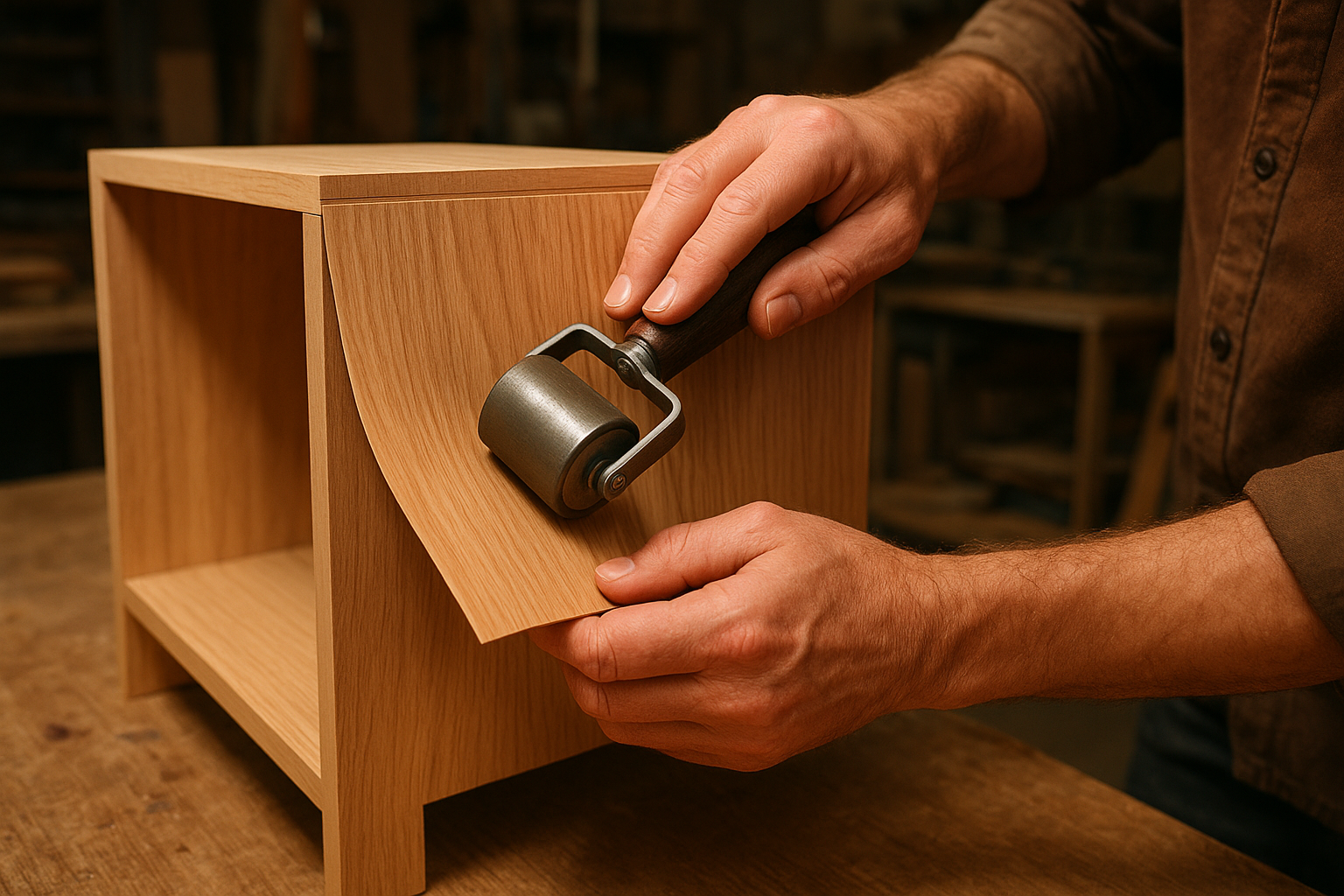
Skilled veneer application is a key step in professional lower cabinet refacing. For a deeper walkthrough, see our Who Offers the Best Cincinnati Kitchen Cabinet Refacing Services?.
DIY Lower Cabinet Refacing: Tools, Materials, and Realistic Costs
If you’re determined to tackle lower cabinets refacing yourself, preparation matters more than enthusiasm. Above all, gather the right tools before you start so you’re not mid-project without a critical item.
Tools and Materials You’ll Need
- Screwdriver set and a drill with the correct bits for hinge removal
- Fine-grit sandpaper (150–220 grit) for surface prep
- Tack cloth and mild degreaser to remove kitchen grease before bonding anything
- Contact adhesive or veneer press roller, depending on your chosen material
- Replacement doors, drawer fronts, and matching veneer sheets sized to your cabinets
- New hinges, pulls, and soft-close glides if you’re upgrading hardware
Where DIY Refacing Tends to Go Wrong
Measuring drawer fronts incorrectly is the single most common DIY error, and it’s an expensive one since custom doors can’t simply be trimmed to fit after the fact. In addition, applying veneer without properly degreasing the surface first often causes bubbling within months, especially near the stove or sink base cabinet. Therefore, if your kitchen has more than eight to ten lower cabinets, a professional estimate is worth getting even if you plan to DIY part of the job.
Cost of Lower Cabinets Refacing: Professional vs. DIY Breakdown
On average, professional lower cabinets refacing costs 30 to 50 percent less than full cabinet replacement, a figure widely cited across the remodeling industry. However, final pricing depends on the number of cabinets, chosen materials, and hardware upgrades. For a detailed breakdown, read about typical refacing costs and pricing factors.
Average Cost by Project Size
- Small kitchens (6–8 lower cabinets): Generally the most affordable tier, since fewer doors and drawer fronts are involved.
- Mid-size kitchens (9–14 lower cabinets): The most common project size, where material choice has the biggest effect on final price.
- Large kitchens (15+ lower cabinets): Costs scale with cabinet count, though per-cabinet pricing often improves at volume.
Hidden Costs That Cheap Refacing Guides Skip
Generic “cheap cabinet refacing” advice rarely accounts for redo costs. For example, contact paper that peels near a sink base cabinet within two years effectively doubles your long-term spend once you factor in a second project. Similarly, mismatched hardware finishes often lead homeowners to replace pulls twice — once cheaply, then again properly. Homeowners in Cincinnati can request a personalized estimate directly through ktcabinetrefacing.com to understand real, all-in costs for their specific kitchen layout.
Benefits of Refacing Lower Kitchen Cabinets vs. Replacing Them
Refacing lower kitchen cabinets offers several practical advantages over gutting the entire kitchen. First, it costs significantly less because the cabinet boxes, plumbing, and structural framework remain untouched. In addition, the reduced labor and material needs mean homeowners save both money and time.
Second, refacing minimizes disruption to daily life. Since the kitchen isn’t fully demolished, families can often continue using part of the space during the project. Furthermore, this approach is generally considered more resource-efficient than full replacement, since fewer materials end up discarded. The U.S. Environmental Protection Agency’s guidance on construction and demolition debris highlights how renovation choices affect waste volumes, which is worth considering for eco-conscious homeowners.
Why Lower Cabinets Need Special Attention (Sink Bases, Toe Kicks, and Moisture)
Lower cabinets absorb a different kind of daily wear than upper cabinets, and most general refacing guides skip this distinction entirely. Sink base cabinets face constant moisture exposure from splashes, leaks, and condensation, which means water-resistant thermofoil or sealed veneer performs far better there than basic laminate. Likewise, toe kicks — the recessed panel at floor level — take direct hits from shoes, vacuum cleaners, and mop buckets, so durability matters more at the bottom of your cabinets than at the top.
In particular, drawer fronts under countertops also bear more mechanical stress than door fronts, since drawers open and close dozens of times daily. As a result, a specialist evaluating lower cabinets refacing should test drawer glides and hinge hardware separately from simply assessing surface appearance. It’s also worth reviewing how refacing affects everyday use; this article on how cabinet refacing impacts kitchen functionality covers that topic in detail.
Popular Styles for Lower Cabinet Refacing in Cincinnati Homes
Style choice plays a major role in how transformative a lower cabinet refacing project feels. Shaker-style doors remain a favorite for their clean lines and versatility, while raised panel doors suit more traditional kitchens. Slab doors, on the other hand, appeal to homeowners chasing a sleek, contemporary look.
Similarly, finish choices such as matte laminate, wood veneer, or thermofoil each bring a distinct character to the kitchen. For a deeper comparison of options, check out this resource on popular cabinet styles for refacing, or explore classic cabinet designs that transform a kitchen for more design inspiration.
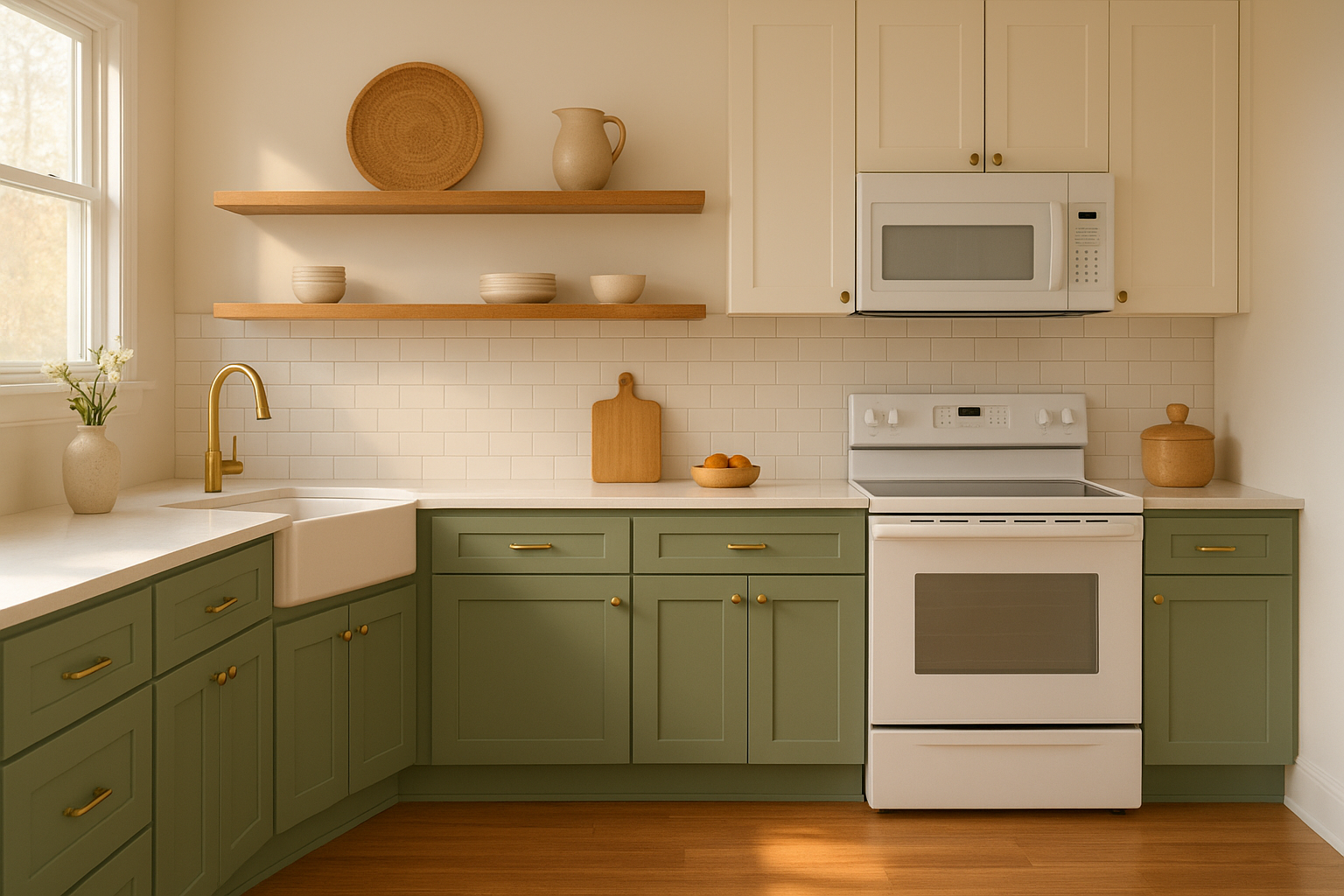
A finished example of lower cabinets refacing paired with updated hardware for a cohesive look. For a deeper walkthrough, see our Kitchen Refacing Near Me: Find Local Experts.
Signs Your Lower Cabinets Are Ready for Refacing
Not every kitchen needs full cabinet replacement, and recognizing the signs of a good refacing candidate can save both time and money. Above all, cabinet boxes should be structurally sound, level, and free from water damage or significant warping. If the boxes check out, refacing is usually the smarter, more efficient path forward.
Common indicators that lower cabinets are ready for refacing include outdated door styles, faded or peeling laminate, and hardware that no longer matches your kitchen’s aesthetic. In contrast, cabinets with rotting wood, severe structural sagging, or pest damage may require full replacement instead.
Common Mistakes to Avoid When Refacing Lower Cabinets on a Budget
Trying to save money on lower cabinets refacing is smart, but a few shortcuts consistently backfire. Skipping a structural inspection is the most common mistake, since even great-looking veneer will fail if it’s applied over a warped or moist cabinet box.
- Choosing low-quality veneer that discolors or peels near heat and moisture sources
- Mismatching hardware finishes between new pulls and existing appliances
- Skipping proper degreasing before applying adhesive veneer, which leads to early bubbling
- Underestimating drawer front measurements, resulting in gaps or misalignment
Working with an experienced refacing specialist helps avoid these pitfalls entirely, since professionals catch structural issues before they become expensive surprises.
Why Choose a Local Cincinnati Specialist for Lower Cabinets Refacing
Working with a local specialist offers advantages that national contractors often can’t match. A Cincinnati-based cabinet refacing company understands the area’s housing styles, common cabinet layouts, and local climate considerations that can affect material choices. Moreover, local specialists tend to offer more personalized service throughout the project. See how to find the best refacers near you.
KT Cabinet Refacing, serving homeowners throughout the greater Cincinnati area, focuses specifically on cabinet refacing rather than juggling multiple unrelated remodeling services. This focused expertise means the team brings deep, practical knowledge to every lower cabinet refacing project, from initial consultation to final installation. Homeowners looking for a streamlined, budget-friendly kitchen refresh can learn more by visiting ktcabinetrefacing.com.
According to the National Kitchen and Bath Association, kitchen updates consistently rank among the top-value home improvement projects. For general industry benchmarks and design trends, the NKBA is a recognized resource worth exploring.
Frequently Asked Questions About Lower Cabinets Refacing
What is lower cabinets refacing?
Lower cabinets refacing is a process that replaces the doors, drawer fronts, and exposed surfaces of base kitchen cabinets while keeping the existing cabinet boxes in place. It refreshes the look of your kitchen without the cost or mess of a full remodel. For a deeper walkthrough, see our Kitchen Refacing Guide: Costs, Process & Best Tips.
How much does lower cabinet refacing cost?
Lower cabinet refacing typically costs 30 to 50 percent less than a full cabinet replacement, according to industry remodeling data. Exact pricing depends on cabinet count, material choice, and hardware upgrades.
What is the cheapest way to reface lower cabinets?
Peel-and-stick veneer and painting are the cheapest upfront options for refacing lower cabinets, but both have shorter lifespans near sinks and high-traffic areas. Professional veneer refacing costs more initially but usually lasts far longer, making it cheaper over time.
How long does it take to reface lower kitchen cabinets?
Most lower kitchen cabinet refacing projects take two to five days from start to finish. Larger kitchens or custom finishes may extend the timeline slightly. For a deeper walkthrough, see our Refacing Kitchen Islands: A Cincinnati Homeowner Guide.
Is refacing lower cabinets cheaper than replacing them?
Yes, refacing lower cabinets is almost always cheaper than full replacement because the cabinet boxes, plumbing, and electrical stay untouched. Labor and material costs are significantly lower as a result.
Can you reface lower cabinets only and leave upper cabinets alone?
Yes, homeowners can choose to reface only their lower cabinets if the uppers are still in good condition or budget is limited. This targeted approach still delivers a noticeable visual improvement. For options on updating upper cabinets, see upper cabinet refacing.
What materials are used in lower cabinets refacing?
Common refacing materials include rigid thermofoil, real wood veneer, and laminate for cabinet boxes, paired with new solid wood or engineered doors. Material choice affects durability, cost, and finish options. For a deeper walkthrough, see our Are There Eco-Friendly Options for Cabinet Refacing? A Complete Guide.
Will refacing lower cabinets increase home value?
Kitchen updates, including cabinet refacing, consistently rank among the home improvements that offer strong return on investment. A refreshed kitchen appearance can make a home more appealing to buyers. For a deeper walkthrough, see our Modern Kitchen Aesthetics: A Cincinnati Refacing Guide.
What’s the difference between refacing and refinishing lower cabinets?
Refacing replaces doors, drawer fronts, and surface veneers entirely, while refinishing simply repaints or restains the existing doors and boxes. Refacing offers more style options and a more dramatic transformation.
How do I know if my lower cabinets are good candidates for refacing?
Lower cabinets are good candidates for refacing if the boxes are structurally sound, level, and free of water damage or warping. A quick inspection of the interior frames can confirm whether refacing will work well.
What common mistakes should I avoid with cabinet refacing?
Common mistakes include skipping a structural inspection, choosing low-quality veneer materials, and mismatching hardware finishes. Working with an experienced refacing specialist helps avoid these pitfalls.
Do I need to replace cabinet boxes when refacing lower cabinets?
No, the entire point of refacing is to keep the existing cabinet boxes intact. Only the visible surfaces, doors, and drawer fronts are replaced or resurfaced.
How long do refaced lower cabinets last?
Properly refaced lower cabinets can last 15 to 20 years or more with regular care. Longevity depends on material quality and how well the kitchen is maintained day to day.
Can lower cabinet refacing include new hardware and drawers?
Yes, most refacing projects include new hinges, handles, pulls, and even soft-close drawer glides. These upgrades improve both appearance and everyday functionality.
Is DIY lower cabinet refacing a good idea?
DIY refacing is possible for simple projects, but achieving a professional, seamless finish typically requires specialized tools and veneer experience. Hiring a specialist reduces the risk of visible seams or uneven surfaces.
Which cabinet door styles work best for refaced lower cabinets?
Shaker, raised panel, and slab-style doors are among the most popular choices for refaced lower cabinets. The best style depends on your kitchen’s overall design and personal taste.
Can I use contact paper or peel-and-stick veneer on lower cabinets?
You can use contact paper on lower cabinets, but it tends to peel and discolor faster there than on upper cabinets because of moisture and heat near the sink and stove. It’s best treated as a short-term fix rather than a lasting solution.
Do sink base cabinets need special treatment during refacing?
Yes, sink base cabinets need moisture-resistant materials such as sealed veneer or thermofoil because they’re exposed to splashes and condensation daily. Standard laminate without proper sealing tends to fail faster in this specific location.
Is painting lower cabinets a better budget option than refacing?
Painting costs less upfront than refacing, but it chips easily at floor level and around handles on heavily used lower cabinets. Refacing generally provides a more durable, longer-lasting result for a similar or only moderately higher investment.
In summary, lower cabinets refacing offers Cincinnati homeowners a smart, budget-conscious way to refresh their kitchen without the disruption of a full remodel. By updating doors, drawer fronts, and surfaces while keeping the existing cabinet boxes, homeowners save money, reduce downtime, and still achieve a striking visual transformation. Whether you’re weighing a quick DIY fix against a professionally installed finish, or simply craving a new look for your base cabinets, lower cabinets refacing remains one of the most efficient paths to a kitchen you’ll love using every day. Author: KT Cabinet Refacing. Last updated: 2026-08-12.