Kitchen remodeling alternatives give homeowners a way to update a tired kitchen without the cost, mess, and months-long timeline of a full renovation. For many Cincinnati families, tearing out cabinets and starting from scratch simply isn’t practical or affordable. Fortunately, options like cabinet refacing, hardware updates, and countertop refreshes can transform a kitchen’s look while keeping the existing layout intact. In this guide, we’ll walk through the most effective kitchen remodeling alternatives, explain how they compare to a full remodel, and help you decide which approach fits your home, budget, and timeline best. Last updated: 2026-08-12.
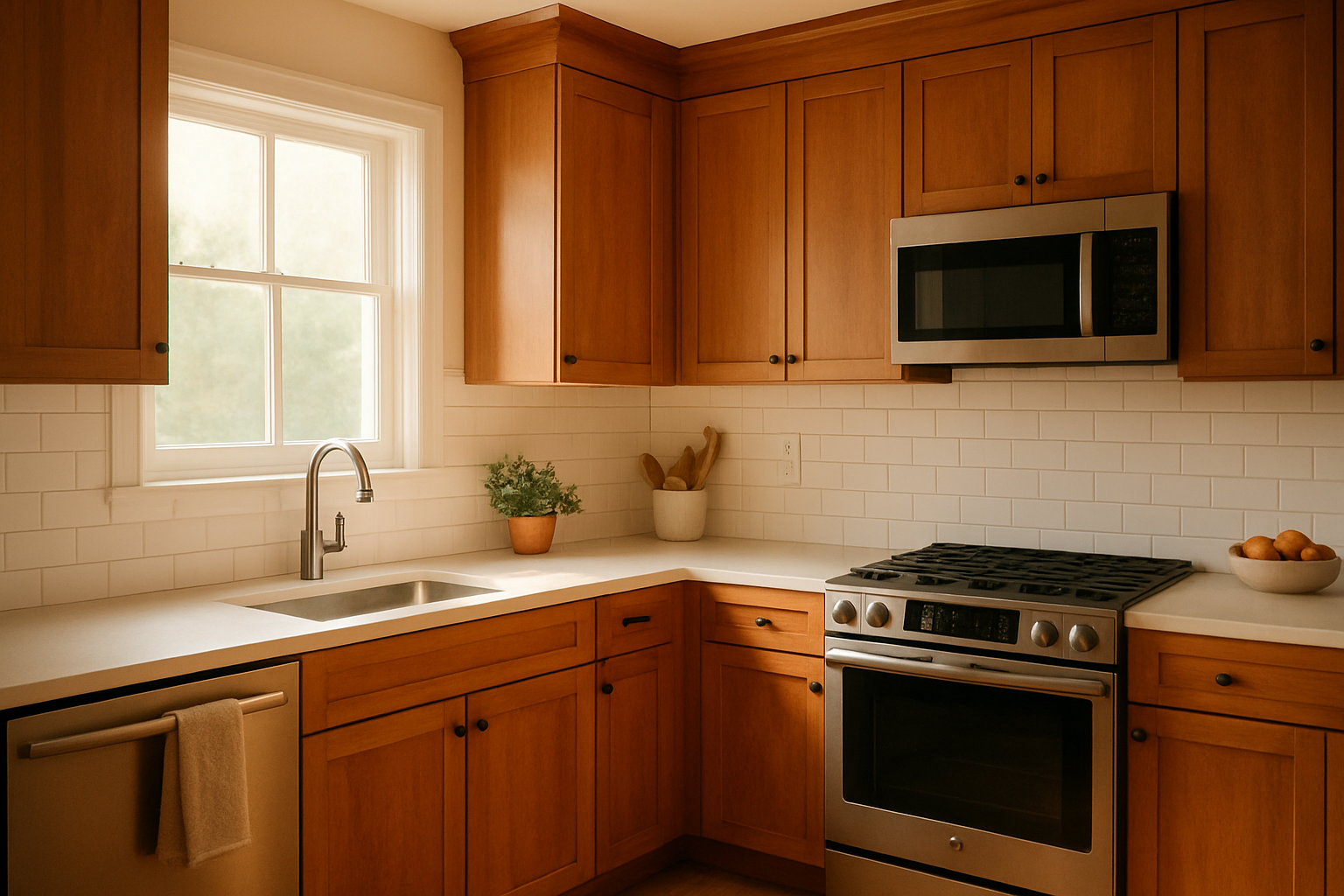
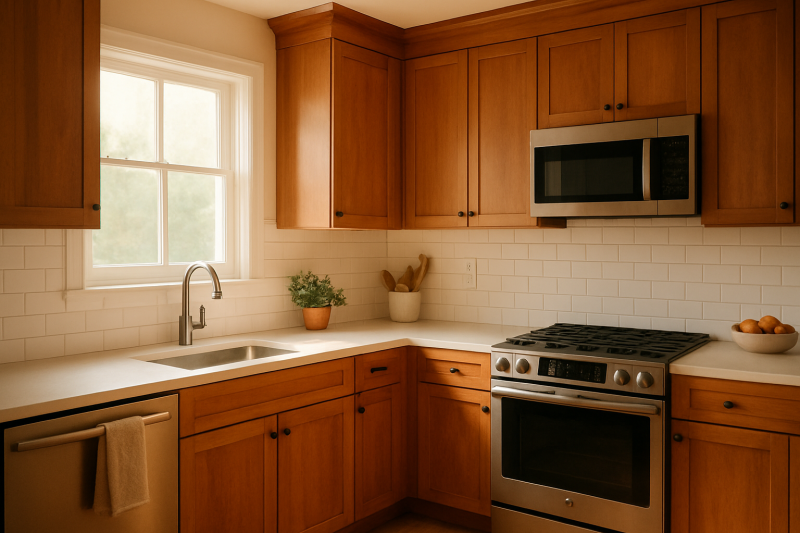
Cabinet refacing is one of the most popular kitchen remodeling alternatives for homeowners on a budget.
What Are Kitchen Remodeling Alternatives?
Kitchen remodeling alternatives are updates that refresh a kitchen’s appearance and function without gutting the entire room. Rather than removing cabinet boxes, walls, and plumbing, these approaches — such as refacing, repainting, or replacing hardware — work with the existing structure. As a result, homeowners save money, reduce construction time, and avoid living without a functional kitchen for weeks. See expert kitchen remodel alternatives for local examples and detailed comparisons.
These alternatives matter because a full kitchen remodel, sometimes called a gut renovation, is one of the most expensive and disruptive home improvement projects a family can take on. In contrast, many kitchen remodeling alternatives can be completed in days rather than months. For example, cabinet refacing typically takes one to two weeks, while a full gut renovation can take six to twelve weeks or longer, according to industry timelines tracked by the National Kitchen and Bath Association.
Why Homeowners Look for Alternatives to Full Kitchen Remodeling
Cost is usually the deciding factor. According to Remodeling Magazine’s Cost vs. Value Report, a minor kitchen remodel averages more than $26,000 nationally, while cabinet refacing typically costs 30 to 50 percent less. In addition, many homeowners simply don’t want to lose the use of their kitchen for two or three months.
Disruption is another major concern. A full remodel usually means dust, noise, and displaced appliances throughout the home. In contrast, refacing and similar updates are far less disruptive than a full remodel, since the plumbing, electrical, and cabinet boxes generally stay untouched.
Finally, sustainability plays a role. Reusing sturdy cabinet boxes instead of sending them to a landfill reduces construction waste, a point increasingly highlighted by home improvement resources such as Wikipedia’s overview of kitchen cabinetry and its evolving materials and manufacturing practices.
Cabinet Refacing: A Leading Kitchen Remodel Alternative
Cabinet refacing, sometimes called resurfacing, replaces cabinet doors, drawer fronts, and exposed surfaces while keeping the existing boxes in place. Because the underlying structure stays intact, this kitchen remodel alternative delivers a dramatic visual change at a fraction of the cost and time of demolition-based projects.
Homeowners throughout the greater Cincinnati area often choose refacing when their cabinet boxes are structurally sound but the finish, color, or door style feels dated. The team at KT Cabinet Refacing works closely with each client to match new veneers, door styles, and hardware to the homeowner’s vision and everyday functional needs.
How Cabinet Refacing Works
Refacing follows a predictable, step-by-step process that keeps the project on schedule and minimizes downtime in the kitchen. Here’s how it typically unfolds:
- Assess cabinet condition. A specialist inspects the existing boxes to confirm they can support new veneers, doors, and hardware.
- Select materials and finishes. Homeowners choose door styles, veneer materials, colors, and hardware that match their vision.
- Remove old doors and surfaces. Outdated doors, drawer fronts, and panels are carefully removed while protecting the surrounding space.
- Apply new veneer and install doors. Fresh veneer covers remaining surfaces, and newly built doors are precisely fitted onto the existing boxes.
- Add hardware and final details. New hardware such as hinges and handles are installed, followed by a final quality inspection.
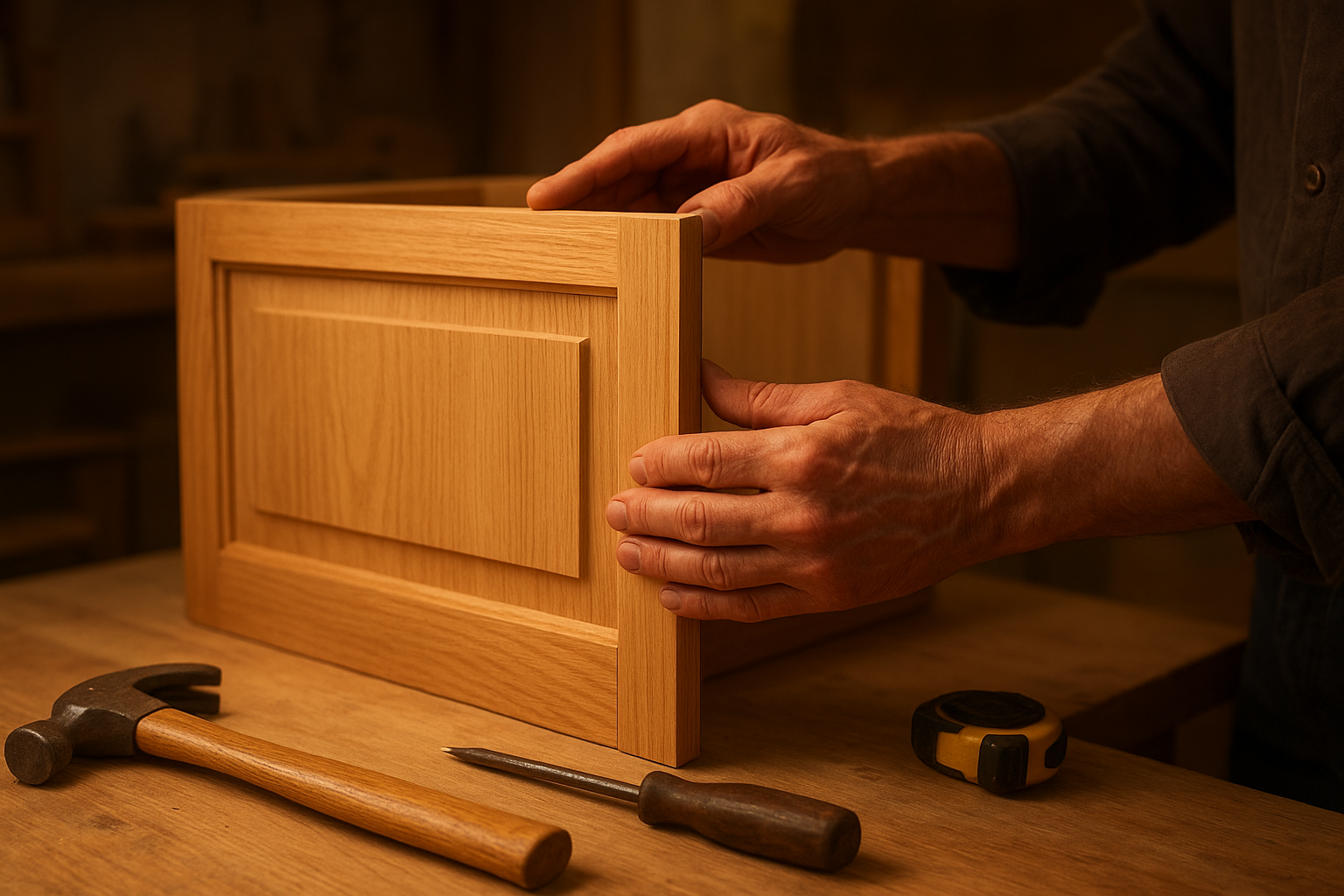
Skilled installation ensures every refaced cabinet door fits and closes properly.
Other Budget-Friendly Kitchen Update Options
Cabinet refacing isn’t the only option worth considering. Depending on your goals, several other kitchen update options can make a noticeable difference without a full renovation.
- Cabinet repainting: A lower-cost option that changes color but keeps the original doors and finish texture.
- Countertop replacement: Swapping worn countertops instantly updates the kitchen’s overall feel.
- Updated lighting: New fixtures brighten the space and modernize the atmosphere.
- Backsplash refresh: A new tile or panel backsplash adds color and texture quickly.
- Hardware swaps: New handles and pulls offer an affordable, same-day style change.
For a deeper look at combining several of these approaches, this guide on how to modernize your kitchen without a remodel walks through practical pairings that work well together.
Comparing Costs and Timelines: Refacing vs. Full Remodeling
Numbers make the difference clear. The table below compares typical costs and timelines for a full kitchen remodel versus cabinet refacing, one of the most widely used kitchen remodeling alternatives. For more on resurfacing specifics, see kitchen cabinet resurfacing details and cost examples.
| Factor | Full Remodel | Cabinet Refacing |
|---|---|---|
| Average Cost | $26,000+ | 30–50% less |
| Typical Timeline | 6–12 weeks | 1–2 weeks |
| Daily Disruption | High | Low to moderate |
Consequently, homeowners who want a meaningful visual change without months of construction often find refacing the more practical path. For more comparisons, see this breakdown of cost-effective kitchen solutions that transform your space.
Choosing the Right Kitchen Remodeling Alternative for Your Home
Above all, the right choice depends on your cabinet condition, budget, and long-term goals. If your layout already works well and the cabinet boxes are sturdy, a kitchen remodeling alternative like refacing typically makes more sense than demolition.
However, if you need to change the kitchen’s footprint, move plumbing, or repair significant structural damage, a full remodel may be unavoidable. In particular, homeowners planning to sell soon often prefer faster, lower-cost updates that still make a strong visual impact.
If you enjoy exploring design ideas before committing, you might also like this kitchen makeover sweepstakes, or this related DIY kitchen makeover opportunity for extra inspiration.
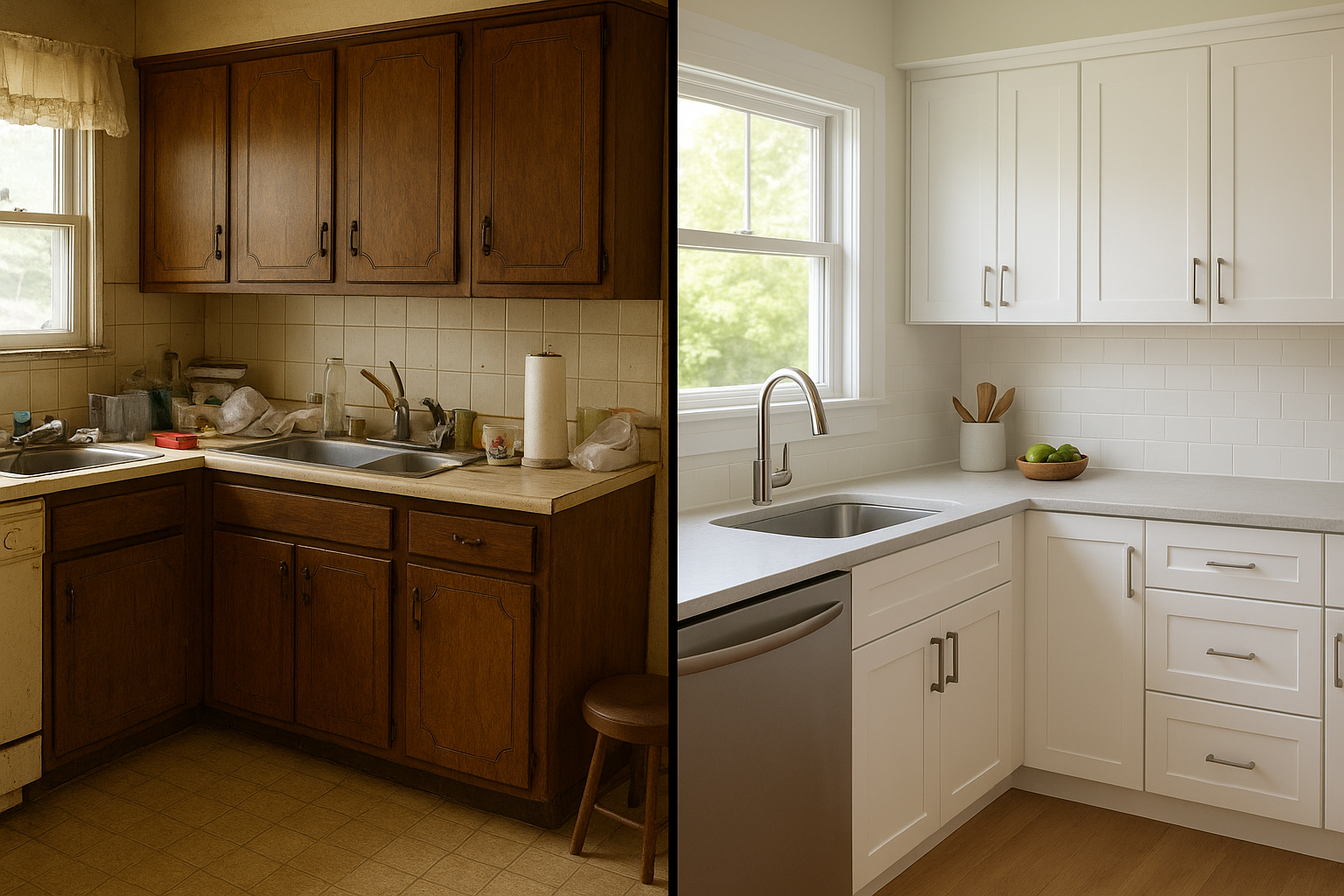
A visual comparison highlighting the impact of practical kitchen remodeling alternatives.
Frequently Asked Questions About Kitchen Remodeling Alternatives
What are the most common kitchen remodeling alternatives?
The most common kitchen remodeling alternatives include cabinet refacing, cabinet repainting, new hardware and lighting, updated countertops, and backsplash refreshes. Each option updates the kitchen’s look without removing the existing cabinet boxes or layout.
Is cabinet refacing a good alternative to a full kitchen remodel?
Yes, cabinet refacing is one of the most effective kitchen remodel alternatives because it keeps the existing cabinet structure while replacing doors, drawer fronts, and surface veneers. It typically costs less and finishes faster than gutting the kitchen.
How much do kitchen remodeling alternatives typically cost?
Kitchen remodeling alternatives like refacing generally cost 30 to 50 percent less than a full remodel, often landing in the low-to-mid thousands depending on kitchen size and materials. A complete gut renovation frequently exceeds $25,000.
How long does cabinet refacing take compared to a full remodel?
Cabinet refacing usually takes one to two weeks from start to finish. A full kitchen remodel, in contrast, often takes six to twelve weeks or longer because of demolition, plumbing, and electrical work.
Will my kitchen be unusable during a remodeling alternative project?
Most kitchen remodeling alternatives allow homeowners to keep using parts of their kitchen throughout the project. Since the cabinet boxes and plumbing stay in place, disruption is far more limited than with a full renovation.
Can I change my cabinet door style with refacing?
Yes, refacing lets you choose new door styles, finishes, and colors while reusing the existing cabinet boxes. This makes it possible to modernize the look completely without new construction.
What is the difference between refacing and repainting cabinets?
Repainting simply applies new color to existing doors and boxes, while refacing replaces doors, drawer fronts, and exposed surfaces with new veneers or materials. Refacing generally delivers a more durable, showroom-quality finish.
Are kitchen remodeling alternatives worth it for older homes?
Yes, older homes often have sturdy, well-built cabinet boxes that only need surface updates. In these cases, kitchen remodeling alternatives preserve solid craftsmanship while modernizing the appearance.
What common mistakes should I avoid when choosing an alternative to a full remodel?
A common mistake is choosing refacing without first confirming the cabinet boxes are structurally sound. Skipping this inspection step can lead to disappointing results, so always have a professional assess the cabinets first.
Do kitchen remodeling alternatives increase home value?
Updated kitchens generally appeal to buyers, and cost-effective alternatives like refacing can improve a home’s appearance and marketability. While results vary by market, a fresh kitchen look is consistently a strong selling point.
Can countertops be updated as part of a kitchen remodeling alternative?
Yes, many homeowners pair cabinet refacing with new countertops for a more complete refresh. Combining both updates still costs significantly less than a full kitchen remodel.
How do I know if refacing or full remodeling is right for my kitchen?
If your cabinet layout works well and the boxes are structurally sound, a kitchen remodeling alternative like refacing is usually the smarter choice. Full remodeling makes more sense only when layout changes or major structural repairs are needed.
Final Thoughts on Kitchen Remodeling Alternatives
Ultimately, kitchen remodeling alternatives give homeowners a realistic path to a better-looking kitchen without the cost and chaos of a full renovation. Whether you choose cabinet refacing, a countertop swap, or a combination of smaller updates, these options preserve your budget and your daily routine. As you weigh your choices, consider the condition of your existing cabinets, your timeline, and how much disruption you can reasonably manage. For homeowners across the greater Cincinnati area, working with an experienced local specialist can make the process even smoother from start to finish. See our planning a kitchen cabinet makeover guide for practical next steps.