Residential cabinet refacing gives Cincinnati homeowners a faster, more affordable way to transform a dated kitchen without the mess of a full renovation. Rather than tearing out cabinet boxes and starting over, this approach keeps your existing framework in place while replacing doors, drawer fronts, and exposed surfaces with fresh materials. As a result, most projects wrap up in days instead of the weeks a gut remodel demands, and homeowners typically save 30 to 50 percent compared to full replacement. Throughout this guide, we’ll cover exactly how the process works, what it costs, which materials perform best, how to vet a contractor, and how to decide whether refacing suits your kitchen — so you finish reading with everything you need to move forward with confidence.
Quick answer: Residential cabinet refacing replaces cabinet doors, drawer fronts, and exposed surfaces with new veneer, laminate, or thermofoil while the original cabinet boxes stay in place. Most projects finish in two to five days, cost 30 to 50 percent less than full replacement, and require little to no disruption to your daily routine.
What Is Residential Cabinet Refacing?
Cincinnati cabinet refacing is a renovation method that updates the visible surfaces of kitchen cabinets rather than replacing the entire cabinet structure. Specifically, the existing boxes stay bolted to the wall while new veneer, laminate, or thermofoil covers the exposed sides and face frames. New doors and drawer fronts are then installed to match, along with updated hardware such as handles and hinges.
In plain terms, the “bones” of your kitchen remain, while everything you see and touch gets a makeover. Because the boxes are not removed, plumbing, electrical, and countertop connections generally stay undisturbed. In addition, refacing works particularly well for kitchens where the cabinet layout already functions well, since it focuses on appearance rather than reconfiguration. Homeowners considering this approach can review a helpful overview of the process through KT Cabinet Refacing’s project resources before scheduling a consultation.
For a broader technical explanation of how cabinets are built and terminology used across the trade, Wikipedia’s overview of cabinetry is a useful reference point before you start comparing quotes.
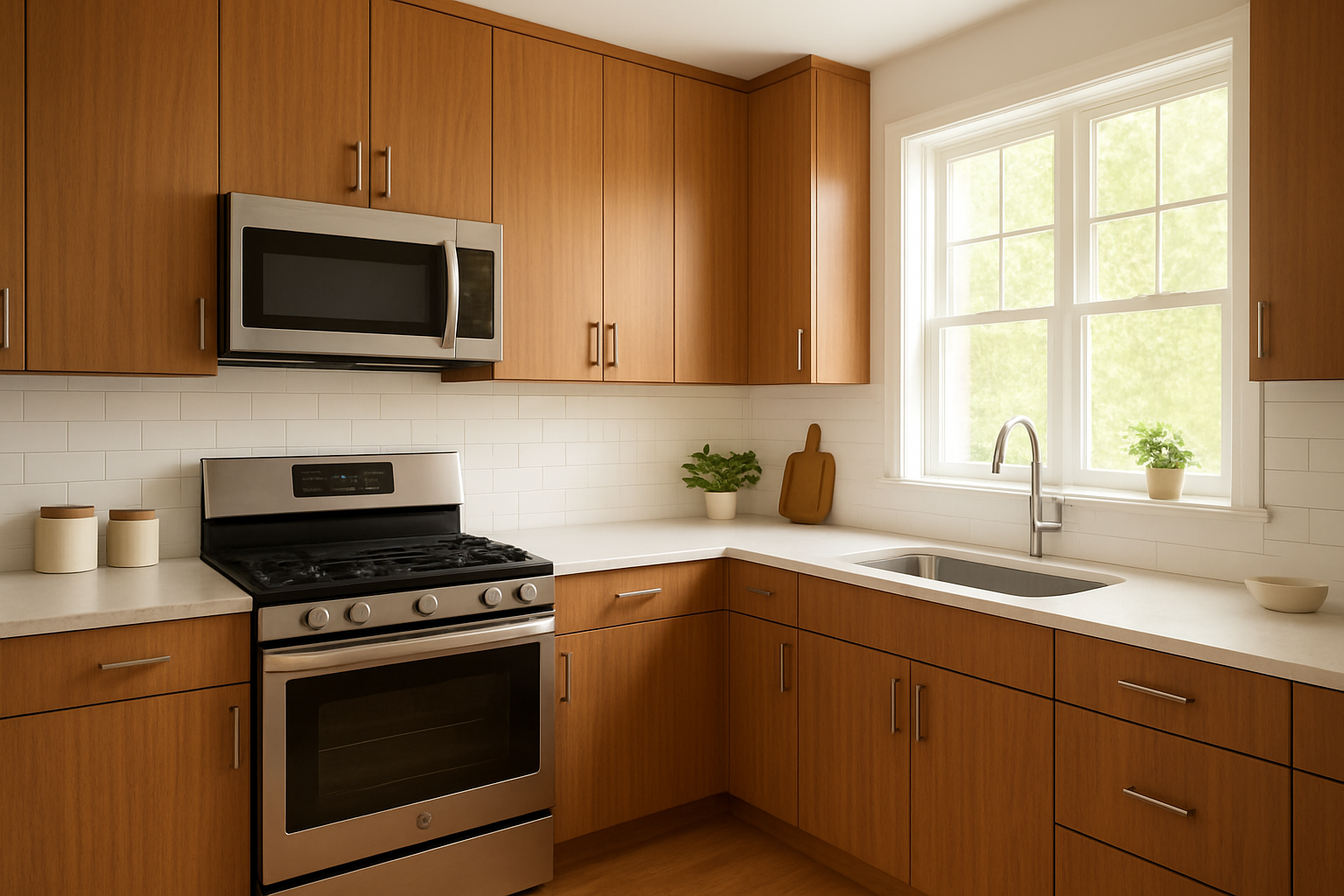
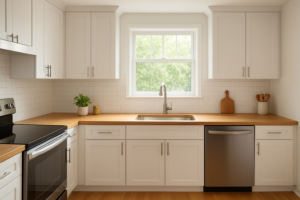
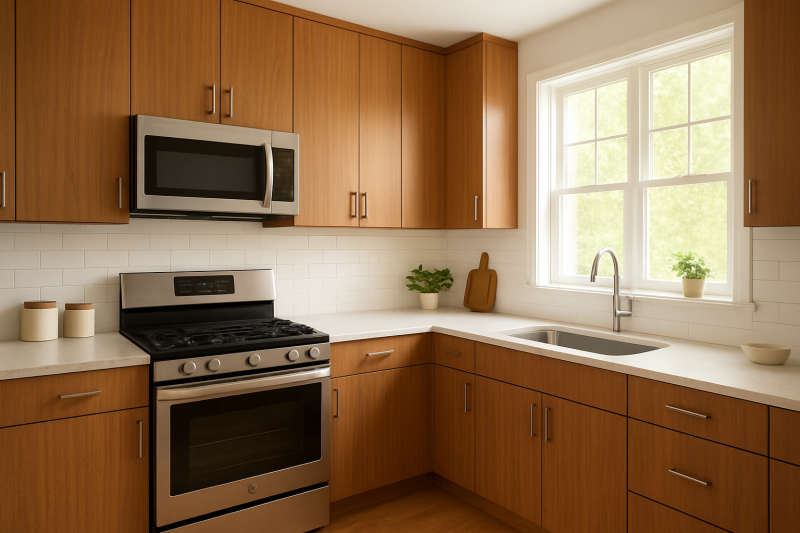
A completed residential cabinet refacing project brings a dated kitchen back to life without demolition. For a deeper walkthrough, see our Sustainable Kitchen Renovations: A Cincinnati Guide.
How Does the Cabinet Refacing Process Work?
Understanding the refacing process helps set realistic expectations before the first day of work begins. Generally, a professional crew follows a consistent sequence to keep the project efficient and minimize disruption to daily routines. For homeowners who want a clearer picture of what to expect, this comparison of refacing versus a full remodel outlines the differences in scope.
- In-home assessment and measurement: A specialist inspects the cabinet boxes for structural soundness, checks for moisture damage, and takes precise measurements so every new panel fits without gaps.
- Material selection and ordering: Homeowners choose veneer, laminate, or thermofoil finishes along with door styles and hardware, then materials are custom-ordered to the exact cabinet dimensions.
- Surface preparation: Existing boxes are cleaned, lightly sanded, and repaired where needed so new surfaces bond properly and last for years.
- Applying new veneer: Matching veneer is applied to all exposed cabinet surfaces, including end panels and toe kicks, for a seamless factory-built appearance.
- Installing doors and drawer fronts: New doors and drawer fronts are hung with fresh, soft-close hinges and full-extension slides for smoother daily use.
- Final hardware and cleanup: Handles, knobs, and trim are installed, surfaces are wiped down, and the kitchen is inspected with the homeowner before crews leave.
Because each step builds on the last, skipping preparation work can shorten the lifespan of the finished result. Therefore, working with an experienced team, such as the specialists described on the benefits of hiring a professional cabinet refacer page, helps ensure durability from day one.
Cabinet Refacing vs. Refinishing vs. Full Replacement
Before committing to any single option, it helps to see the three most common kitchen update paths side by side. Specifically, refinishing, refacing, and full replacement differ significantly in cost, timeline, and how much the finished kitchen actually changes.
| Factor | Refinishing | Cabinet Refacing | Full Replacement |
|---|---|---|---|
| Relative cost | Lowest | 30–50% less than replacement | Highest |
| Typical timeline | 1–2 days | 2–5 days | 3–8+ weeks |
| Household disruption | Minimal | Low | Significant |
| Layout changes possible | No | Minor only | Fully customizable |
| Best for | Cosmetic touch-ups only | Sound boxes, working layout | Damaged boxes or layout change |
In contrast to refinishing, which simply repaints or restains what’s already there, residential cabinet refacing gives you an entirely new door style, color, and hardware selection. Meanwhile, unlike full replacement, it avoids the multi-week displacement of your kitchen entirely.
Benefits of Residential Cabinet Refacing Over Full Replacement
Cost savings are often the first benefit homeowners notice. According to the Remodeling Magazine Cost vs. Value Report, minor kitchen updates consistently return a strong percentage of their cost at resale, and refacing fits squarely into that category. In addition to price, timing matters. A refacing project typically wraps up in days, while a gut renovation can stretch into weeks or months.
Disruption is another major factor. Since cabinet boxes remain fixed in place, homeowners avoid the dust, noise, and displaced kitchen items that come with demolition. For a closer look at how these two approaches compare in daily life, this guide on updating kitchen cabinets without full replacement breaks down the practical trade-offs.
Sustainability is worth mentioning as well. Reusing existing cabinet boxes reduces material waste compared to demolition and disposal. As homeowners become more conscious of environmental impact, this factor increasingly influences renovation decisions alongside cost and convenience. If you’re still weighing whether the investment pays off long-term, this breakdown of cabinet refacing as an investment covers the return-on-investment side in more depth.
Did you know? Industry cost data shows residential cabinet refacing generally costs 30 to 50 percent less than full cabinet replacement, making it one of the more budget-friendly kitchen updates available.
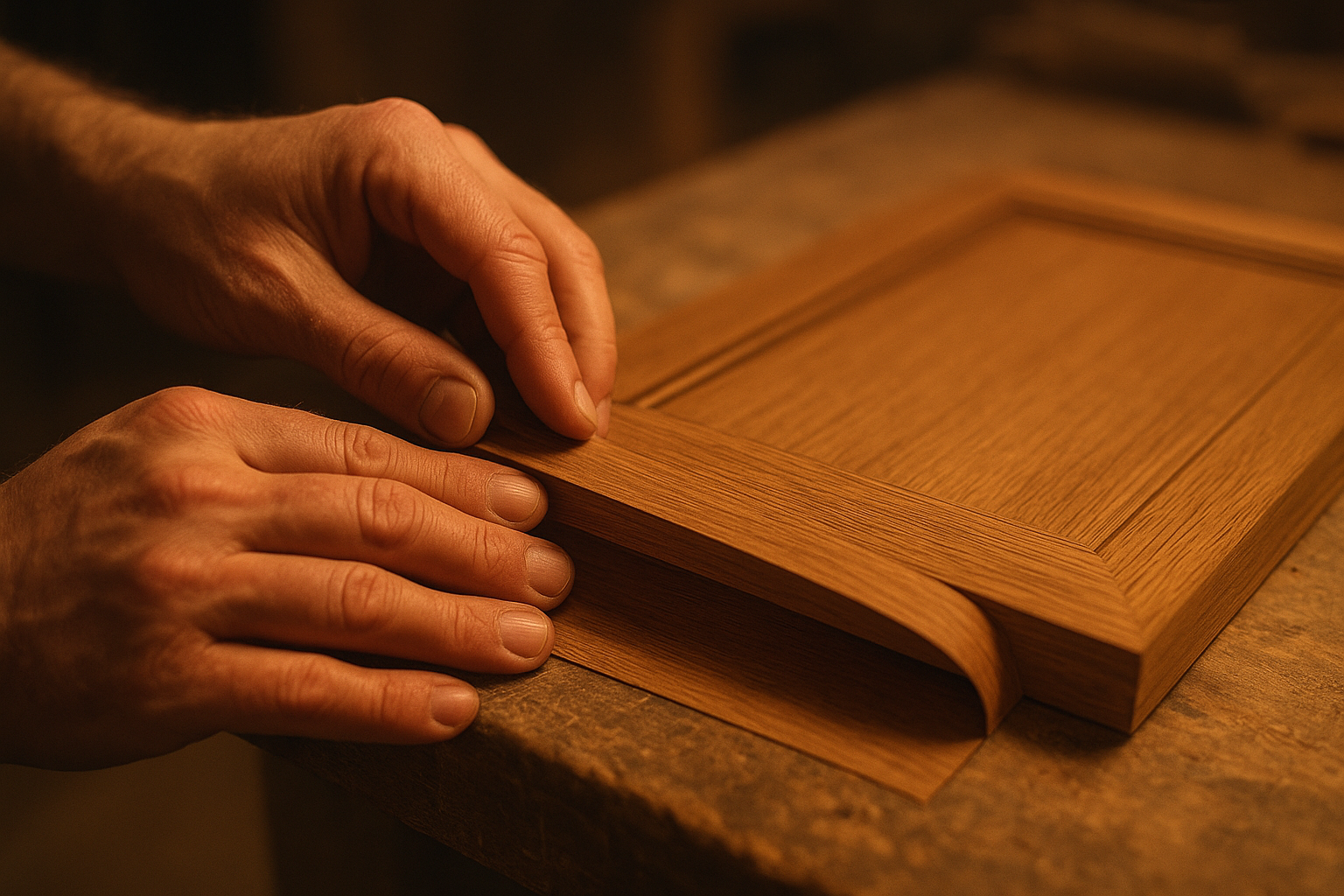
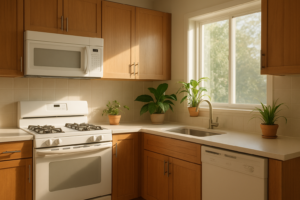
Skilled application of veneer material is central to a lasting cabinet refacing result. For a deeper walkthrough, see our RL Remodeling vs. KT Cabinet Refacing: Full Comparison.
Popular Styles, Materials & Hardware for Refaced Cabinets
Style options have expanded significantly, giving homeowners far more flexibility than in years past. Shaker-style doors remain a popular, timeless choice, while flat-panel and slab designs suit more contemporary kitchens. Wood veneer offers a natural look with visible grain, whereas laminate and thermofoil provide durable, low-maintenance surfaces in a wide range of colors.
Hardware choices also shape the finished look. Matte black or brushed brass pulls, for instance, can shift a kitchen’s entire personality without touching the cabinet boxes themselves. For a deeper look at current trends, the page on popular cabinet styles for refacing covers additional design directions in more detail. Industry design guidance from the National Kitchen and Bath Association can also help homeowners benchmark their choices against current kitchen design standards.
Material Comparison at a Glance
- Wood veneer: Real wood grain, stainable, blends with existing trim; moderate cost.
- Rigid thermofoil (RTF): Seamless, easy to clean, resists moisture well; budget-friendly.
- Laminate: Wide color range, durable against scratches, cost-effective for high-traffic kitchens.
How Much Does Residential Cabinet Refacing Cost?
Pricing for residential cabinet refacing depends on several factors, including the number of cabinets, chosen materials, and hardware selections. Generally speaking, homeowners can expect refacing to fall well below the cost of full replacement, since labor and material needs are lower overall. Kitchen size, door style complexity, and whether new drawer boxes are added all shift the final number up or down.
For homes built before 1978, it’s also worth noting that renovation work may fall under lead-safe practice guidelines. The EPA’s Renovation, Repair, and Painting Program outlines requirements that reputable contractors should follow when disturbing painted surfaces in older properties, which can apply during surface preparation.
Ultimately, getting an accurate number requires an in-home consultation, since kitchen size and material choice vary so widely from project to project. A written estimate helps homeowners compare refacing against remodeling on equal footing before making a final decision.
Financing Options for Your Cabinet Refacing Project
Many refacing companies offer flexible payment plans, including promotional low-interest periods or fixed monthly installments, so the upfront cost doesn’t have to come out of pocket all at once. Alternatively, some homeowners choose to fund the project through a home equity line of credit or a personal loan, particularly for larger kitchens with more cabinets to cover.
Before signing any financing agreement, it helps to understand the terms fully. The Consumer Financial Protection Bureau publishes plain-language guidance on home equity loans and personal financing, which is a useful resource before committing to any payment plan for a renovation project.
Signs Your Kitchen Is a Great Candidate for Refacing
Not every kitchen needs a full teardown, and recognizing the signs early can save both time and money. Consider refacing if any of the following sound familiar:
- Your cabinet boxes are structurally sound, with no water damage, warping, or sagging shelves.
- The overall layout works well for your household, and you don’t need more storage or a different footprint.
- The doors, drawer fronts, or finish simply look outdated compared to the rest of your home.
- You want a faster turnaround than a multi-week remodel allows.
- Budget is a primary concern, and you’d rather redirect remodel savings toward countertops or appliances.
Is Cabinet Refacing Right for Your Cincinnati Kitchen?
Refacing tends to work best when the existing cabinet layout already suits your household’s needs and the boxes themselves are structurally sound. In contrast, homeowners wanting to change their kitchen’s footprint, add significant storage, or move plumbing fixtures will likely need a fuller renovation instead.
For everyone in between, refacing offers a practical middle ground. It refreshes outdated finishes, introduces new door styles, and modernizes hardware, all while avoiding the extended timeline of a gut remodel. If you’re still deciding, the article on modernizing a kitchen without a full remodel offers additional guidance on weighing your options, and this overview of the core benefits of cabinet refacing summarizes why so many local homeowners choose it.
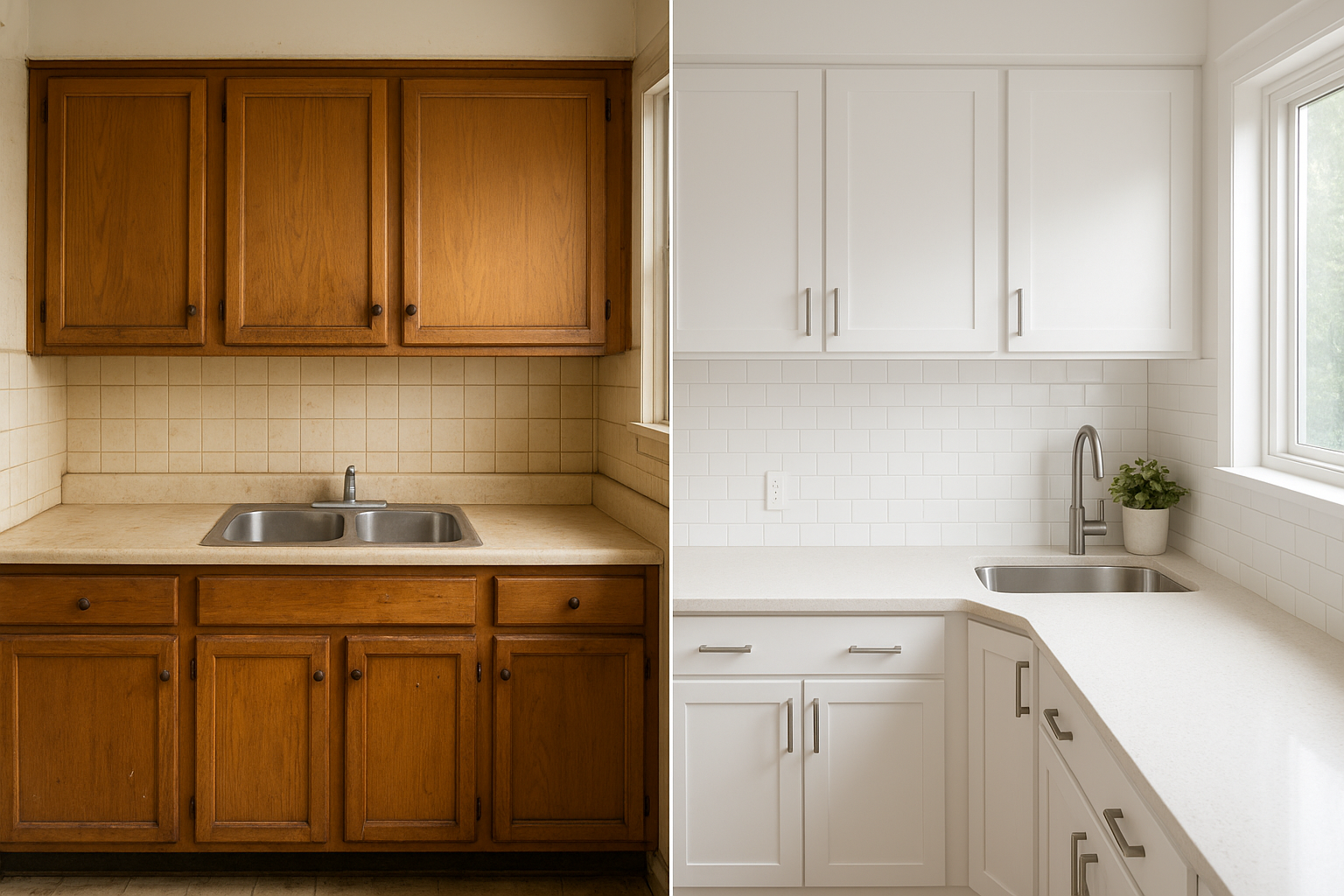
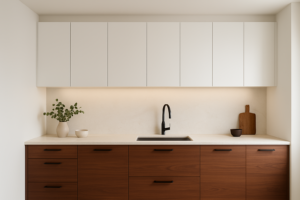
Side-by-side comparisons highlight just how transformative residential cabinet refacing can be. For a deeper walkthrough, see our How to Find Reliable Professional Cabinet Services in My Area.
How to Choose a Residential Cabinet Refacing Contractor
Choosing the right installer matters just as much as choosing the right materials. Above all, a rushed or inexperienced install can undermine even the best-quality veneer. Use this checklist before signing a contract:
- Confirm licensing, insurance, and refacing-specific experience — not just general remodeling experience.
- Ask to see a portfolio of completed residential cabinet refacing projects, ideally with before-and-after photos.
- Read recent reviews and, if possible, speak with a past customer directly.
- Get a detailed written estimate that breaks down materials, labor, and hardware separately.
- Ask specifically about warranty coverage on both materials and workmanship before work begins.
Warranty & Long-Term Durability of Refaced Cabinets
Reputable refacing companies typically back their work with warranties covering both materials and installation labor, often ranging from several years up to a limited lifetime guarantee on hardware such as hinges and drawer slides. Consequently, it’s worth confirming exactly what is and isn’t covered before work starts, including whether the warranty transfers if you sell your home.
Durability also depends heavily on proper surface preparation. Because veneer and thermofoil rely on strong adhesion to the existing box, any shortcuts during cleaning, sanding, or repair can lead to peeling or lifting years down the road. Similarly, Cincinnati’s humid summers and dry winters put extra demands on adhesives, which is why experienced local installers account for seasonal moisture swings during application.
Frequently Asked Questions About Residential Cabinet Refacing
What is residential cabinet refacing?
Residential cabinet refacing is a process that replaces cabinet doors, drawer fronts, and exposed surfaces with new veneers or materials while keeping the existing cabinet boxes in place. It gives kitchens a fresh look without the cost of a full renovation.
How long does cabinet refacing take to complete?
Most projects take between two and five days, depending on kitchen size and material choices. This is significantly faster than full cabinet replacement, which can take several weeks.
How much does residential cabinet refacing cost?
Refacing typically costs 30 to 50 percent less than full cabinet replacement, based on common industry cost comparisons. Exact pricing depends on cabinet count, door style, and material selection.
Is cabinet refacing as durable as new cabinets?
Yes, when installed correctly, refaced cabinets are just as durable as new ones because the structural boxes are usually sound. Quality veneers and hardware hold up well to daily kitchen use. For a deeper walkthrough, see our Refinish Kitchen Cabinets: A Complete Cincinnati Guide.
What is the difference between cabinet refacing and refinishing?
Refinishing simply repaints or restains existing doors, while refacing replaces doors, drawer fronts, and surface veneers entirely. Refacing offers more style flexibility, including new hardware.
Can I change my kitchen layout with cabinet refacing?
Minor changes, such as adding pull-out shelves, are possible during refacing. However, major structural changes generally require a full remodel instead.
Why do homeowners choose cabinet refacing over full replacement?
Homeowners often choose refacing because it costs less, takes less time, and creates less disruption to daily life. It also reduces waste since the existing boxes stay in use.
What materials are commonly used in cabinet refacing?
Common materials include wood veneer, rigid thermofoil, and laminate for doors and exposed surfaces. The choice affects durability, cost, and overall style.
Does residential cabinet refacing increase home value?
Updated kitchens tend to appeal to buyers, and refacing can improve visual appeal at a lower cost than a full remodel. It may not add as much resale value as a complete renovation, but it offers a strong return relative to its price.
What common mistakes should I avoid during a refacing project?
A common mistake is choosing a contractor without checking references or refacing-specific experience. Another is skipping hardware upgrades, which can leave the kitchen feeling unfinished.
Can cabinet refacing work for older Cincinnati homes?
Yes, refacing works well for older homes as long as the existing cabinet boxes are structurally sound. A professional assessment confirms whether boxes need repair before new surfaces are applied.
Do I need to move out of my kitchen during refacing?
No, most homeowners can continue using their kitchen with minor adjustments during the project. Since the boxes stay in place, there is far less mess than a full remodel.
How do I maintain refaced cabinets after installation?
Wipe surfaces with a soft cloth and mild cleaner, avoiding abrasive scrubbers that can damage veneer finishes. Regularly check hinges and hardware to keep doors functioning smoothly.
Is financing available for residential cabinet refacing?
Many refacing companies offer payment plans, promotional financing, or work with third-party lenders. Homeowners can also use a home equity line of credit or personal loan to cover the project.
How does Cincinnati’s climate affect cabinet refacing materials?
Humid summers and dry winters in the Ohio Valley can stress adhesives used in veneer application. Experienced installers account for these seasonal swings to keep surfaces bonded securely year-round.
Final Thoughts on Residential Cabinet Refacing
Residential cabinet refacing gives homeowners a practical path to a refreshed kitchen without the cost, mess, and extended timeline of a full remodel. By keeping the existing cabinet boxes and updating doors, surfaces, and hardware, this approach delivers noticeable results in a matter of days rather than weeks. Whether you’re addressing outdated finishes, comparing financing options, or simply want a more modern look, weighing refacing against replacement is a worthwhile first step. For homeowners throughout the greater Cincinnati area, working with a team that specializes specifically in refacing, like the one behind KT Cabinet Refacing, can help turn that decision into a finished kitchen that fits both budget and lifestyle.