Updates for outdated cabinets remain the fastest, most budget-friendly way to transform a tired kitchen without tearing the room down to the studs. Instead of ripping out cabinet boxes and starting from scratch, homeowners across Cincinnati are choosing refaced surfaces, refreshed finishes, and modern hardware to bring dated kitchens back to life. This approach saves money, shortens downtime dramatically, and still delivers a kitchen that looks brand new from the moment you walk in.
If your cabinets have chipped paint, dated wood tones, or hardware that feels stuck in another decade, you are far from alone. In fact, kitchens rank among the most frequently updated rooms in American homes, and cabinets often take the blame for a dated look even when the boxes underneath remain perfectly solid. Below, we walk through every sign, cost, process, and budget-friendly fix homeowners are choosing right now — including the details many other guides skip entirely.
Quick answer: The fastest, most cost-effective updates for outdated cabinets are refacing doors and drawer fronts, applying new veneer, swapping hardware, and adding soft-close hinges — all without removing the existing cabinet boxes.
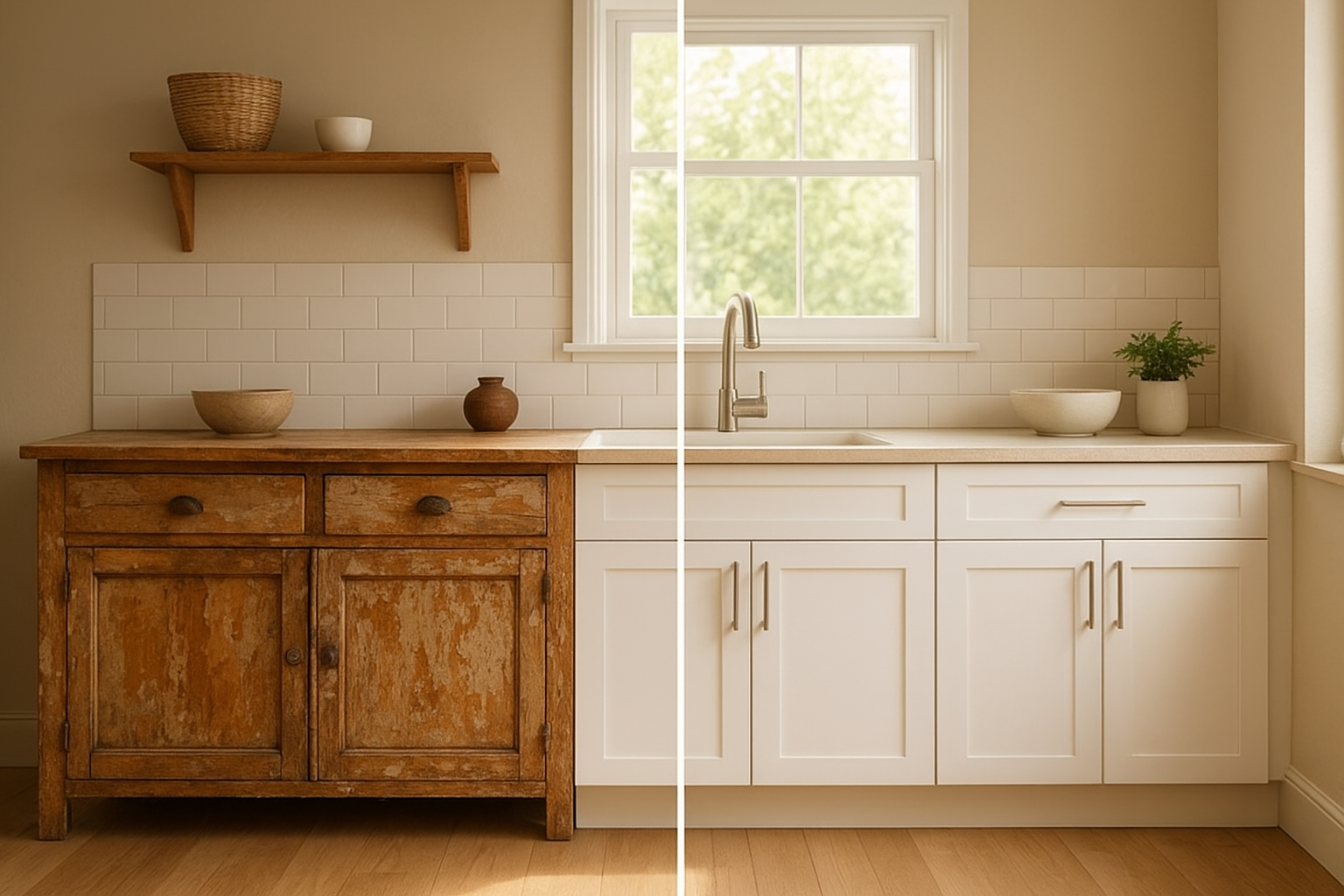
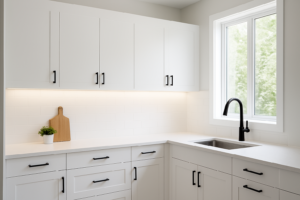
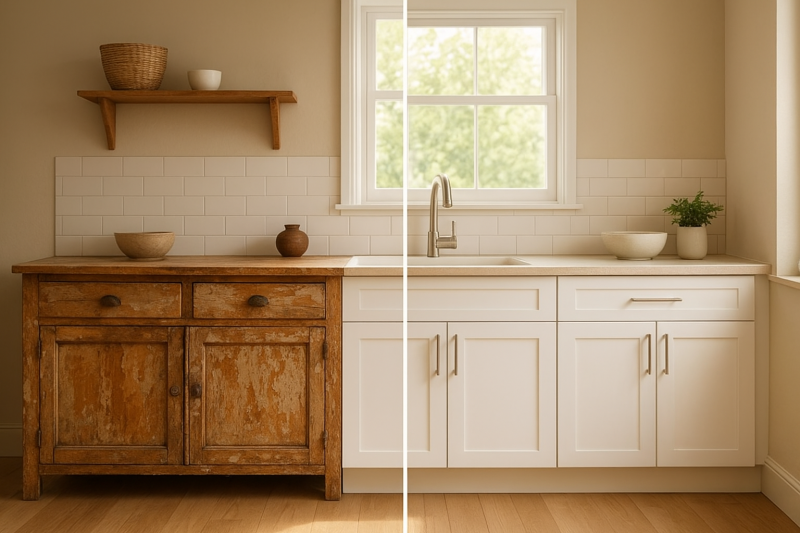
Simple updates for outdated cabinets can transform a kitchen’s entire feel in just a few days.
What Are the Best Updates for Outdated Cabinets?
The best updates for outdated cabinets include refacing door and drawer fronts, applying new veneer to cabinet boxes, replacing hardware, and adding features like soft-close hinges. Together, these changes give a kitchen a modern look while keeping the existing layout and structure intact.
Cabinet refacing is a construction process where the exterior surfaces of cabinets are replaced or covered with new materials, while the internal cabinet boxes remain in place. Because the framework stays put, there is no need for plumbing changes, electrical rerouting, or major demolition. As a result, homeowners get a dramatic visual change without the extended timeline of a full kitchen remodel.
In addition to doors and veneer, many homeowners also update countertops, backsplashes, or lighting at the same time. However, cabinets remain the visual anchor of most kitchens, so focusing there first tends to deliver the biggest impact for the investment. For a deeper look at how a targeted approach compares to a gut renovation, this guide on how you can update your kitchen cabinets without a full replacement breaks down the decision step by step.
Signs Your Kitchen Cabinets Need an Update
Certain warning signs make it obvious when a cabinet refresh is overdue. For instance, peeling laminate, warped doors, and faded finishes are common indicators that surfaces have simply worn out. Similarly, hardware that looks tarnished or styles that feel stuck in a previous decade can make an entire kitchen feel older than it actually is.
Above all, functionality problems matter just as much as appearance. Drawers that stick, doors that no longer close flush, and shelves that sag are practical reasons to consider an update, not just cosmetic ones. Therefore, a thorough inspection before choosing a fix helps determine whether refacing, door replacement, or a simple hardware swap will actually solve the problem.
- Peeling laminate or bubbling veneer on doors and side panels
- Warped, swollen, or sticking doors and drawers
- Faded, yellowed, or chipped paint and stain
- Tarnished, loose, or visibly dated hardware
- Interior shelves that sag or hinges that no longer hold doors flush
Homeowners exploring options can find helpful direction in this guide on how to modernize a kitchen without a full remodel, which outlines several practical starting points, and this deeper look at whether cabinet refacing can fix outdated kitchen cabinets for your specific situation.
Cabinet Refacing vs. Painting vs. Full Replacement
Choosing the right update depends heavily on the condition of the existing cabinet boxes. If the boxes are structurally sound, refacing is usually the most efficient path. According to Remodeling Magazine’s Cost vs. Value report, minor kitchen updates consistently return a strong percentage of their cost at resale, often outperforming larger, more invasive remodeling projects (Remodeling Magazine).
Painting, in contrast, is the cheapest way to change color, but it only addresses the surface. Paint chips, scuffs, and yellows faster than a factory finish, especially on high-traffic doors near handles and hinges. Refacing solves this by replacing the door and drawer fronts outright and applying new veneer to boxes and sides, so the finish behaves like a brand-new cabinet rather than a repainted one.
Full replacement, meanwhile, makes the most sense when cabinets have water damage, structural rot, or a layout that no longer fits the household’s needs. For most homes with cabinets that are simply outdated in appearance, however, refacing provides a faster and less expensive path to the same visual result. For homeowners who like traditional aesthetics but want a fresher feel, this overview of classic cabinet designs that transform a kitchen offers useful inspiration without straying from timeless style.
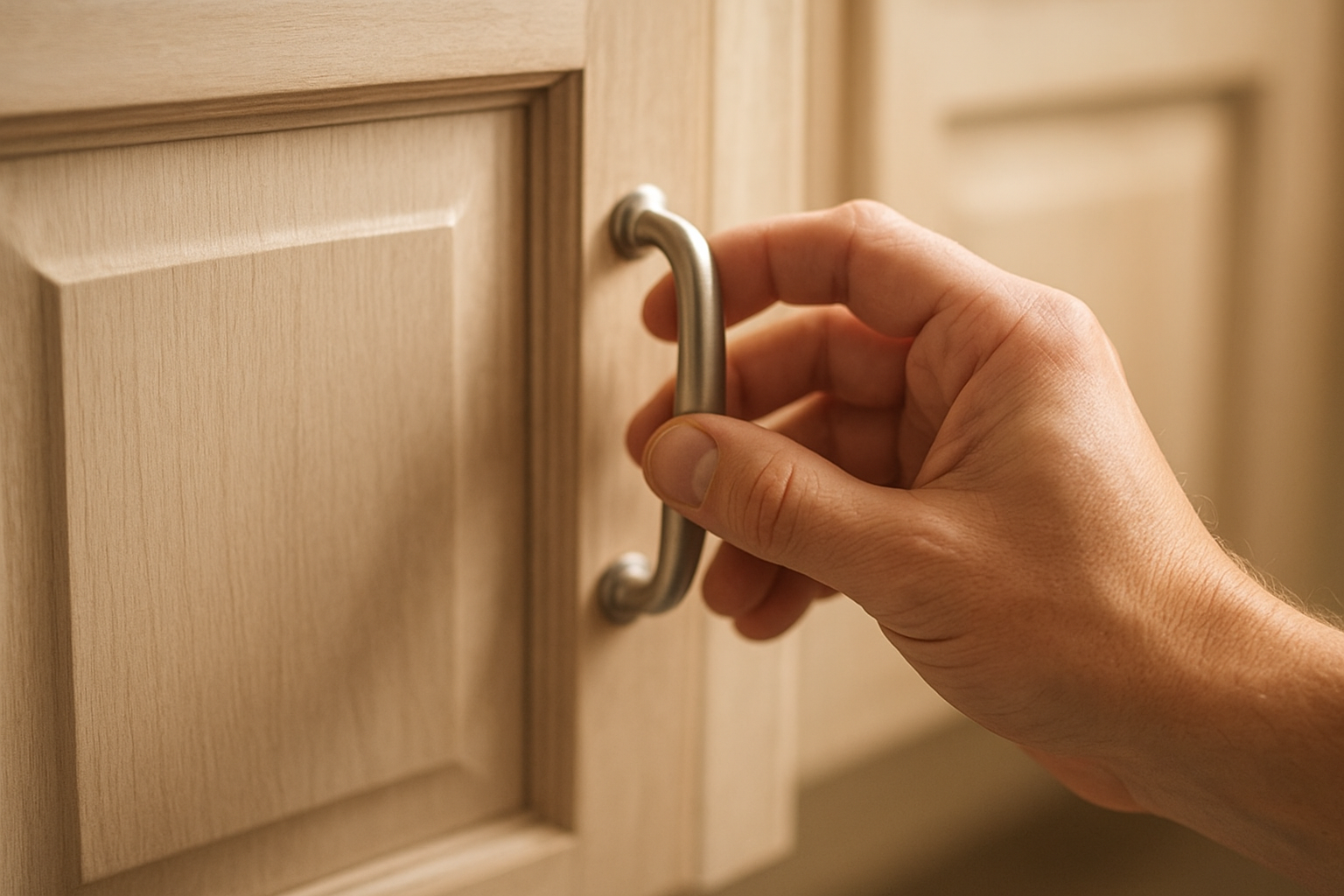
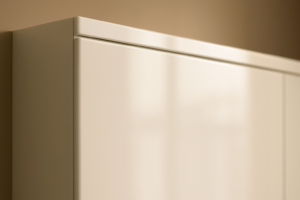
New hardware is a small detail that makes a noticeable difference in any cabinet update.
Cabinet Update Cost Breakdown
Because cost is usually the deciding factor, it helps to see the three main paths side by side. Specifically, the table below compares typical investment, timeline, and expected lifespan for each option.
| Update Type | Typical Timeline | Relative Cost | Durability |
|---|---|---|---|
| Painting cabinets | 1–3 days | Lowest | 2–4 years before touch-ups |
| Cabinet refacing | 3–5 days | 30–50% less than replacement | 10–20+ years |
| Full replacement | 2–6 weeks | Highest | 15–25+ years |
Consequently, most homeowners chasing updates for outdated cabinets on a defined budget land on refacing, since it captures nearly all the visual and functional benefit of full replacement at a fraction of the cost and disruption.
Step-by-Step: How to Update Outdated Kitchen Cabinets
Understanding the refacing process helps set clear expectations before work begins. When planning updates for outdated cabinets, knowing the sequence helps avoid surprises. The following steps outline how a typical project unfolds from start to finish.
- Assess current cabinet condition by checking hinges, frames, and shelving to confirm the structure is solid enough for refacing rather than replacement.
- Choose new door and drawer styles, such as shaker or slab profiles, along with a finish that complements existing countertops and flooring.
- Select matching veneer for exposed cabinet sides and coordinate hardware finishes so every visible surface feels unified.
- Schedule a professional installation team to remove old doors, apply new veneer, and fit upgraded doors and drawers with precise measurements.
- Add finishing touches, install new hardware, and inspect the completed kitchen to confirm everything aligns and closes properly.
Most projects following this process are completed within three to five business days, which is considerably shorter than the weeks typically required for a full kitchen remodel.
Budget-Friendly Ways to Update Outdated Cabinets
Not every update requires a complete refacing project. For example, swapping outdated hardware for brushed nickel or matte black pulls is one of the least expensive ways to modernize a kitchen instantly. Similarly, adding under-cabinet lighting can make finishes look richer and spaces feel larger without touching the cabinets themselves.
Other budget-conscious options include repainting cabinet interiors, adding glass panels to select doors, removing a few upper doors entirely for an open-shelving look, or installing pull-out organizers inside existing cabinets. Consequently, homeowners can mix small upgrades with a full refacing project depending on available budget and priorities.
- New hardware: pulls, knobs, and hinges instantly modernize a look for the lowest possible cost.
- Under-cabinet lighting: LED strips brighten countertops and make finishes appear newer.
- Glass door inserts: add visual depth and break up a wall of solid doors.
- Open shelving: removing select upper doors creates an airy, contemporary feel.
- Pull-out organizers: improve storage function without changing the exterior at all.
Those working with a defined spending limit may find this resource on refreshing a kitchen on a budget particularly useful for prioritizing which updates deliver the most value first, along with this guide on how to refresh your kitchen without a full remodel.
Choosing Cabinet Styles and Finishes That Last
Selecting a style that will still look good years from now requires balancing current trends with timeless design principles. Shaker-style doors, for instance, have remained popular for decades because their clean lines suit both traditional and modern kitchens equally well.
Meanwhile, two-tone cabinet color schemes are gaining popularity among homeowners who want visual interest without committing to a single bold color throughout the whole kitchen. According to design resources from the Wikipedia entry on cabinetry, material choice and construction method significantly affect both appearance and long-term durability.
Homeowners interested in options built for contemporary homes can review these cabinet styles and smart updates for modern homes before finalizing a design direction.
Materials, Finishes, and Indoor Air Quality
Material selection plays a large role in how long an update lasts. Wood veneer, a thin layer of real wood applied over a solid substrate, offers a natural look and can be stained or painted, while rigid thermofoil provides a smooth, moisture-resistant surface that holds up well in busy kitchens. Solid wood doors, on the other hand, tend to cost more but offer exceptional durability and a premium feel.
When selecting finishes, it also helps to consider indoor air quality. Some paints and finishes release volatile organic compounds, or VOCs — chemicals that can affect indoor air quality during and after application. The U.S. Environmental Protection Agency recommends choosing low-VOC products where possible, especially in frequently used rooms like kitchens.
Working with an experienced local provider such as KT Cabinet Refacing ensures material choices align with both aesthetic goals and everyday durability needs specific to Cincinnati-area homes.
DIY vs. Professional Cabinet Updates: What’s Right for You?
Some updates for outdated cabinets are genuinely simple weekend projects. Swapping hardware, adding under-cabinet lighting, or installing a pull-out organizer generally requires only basic tools and a few hours. In contrast, full refacing demands precise measurements, veneer application, and door alignment across an entire kitchen.
Because even small measurement errors can leave gaps or misaligned doors, most homeowners get better, longer-lasting results by hiring an experienced refacing professional for anything beyond hardware and lighting. A professional installer also carries the tools needed to fit veneer flush against cabinet frames, something that is difficult to replicate without specialized equipment.
Ultimately, the smartest approach often blends both: tackle hardware and lighting yourself, then bring in a specialist for refacing the doors, drawers, and veneer surfaces.
Caring for Your Cabinets After the Update
Once cabinets are updated, proper maintenance keeps them looking fresh for years to come. Simple habits, such as wiping spills promptly and avoiding harsh abrasive cleaners, protect new finishes from premature wear.
Furthermore, checking hinges and hardware periodically helps catch small issues before they become bigger problems. For a complete breakdown of upkeep steps, this guide on maintaining newly refaced cabinets covers daily, weekly, and seasonal care routines in detail.
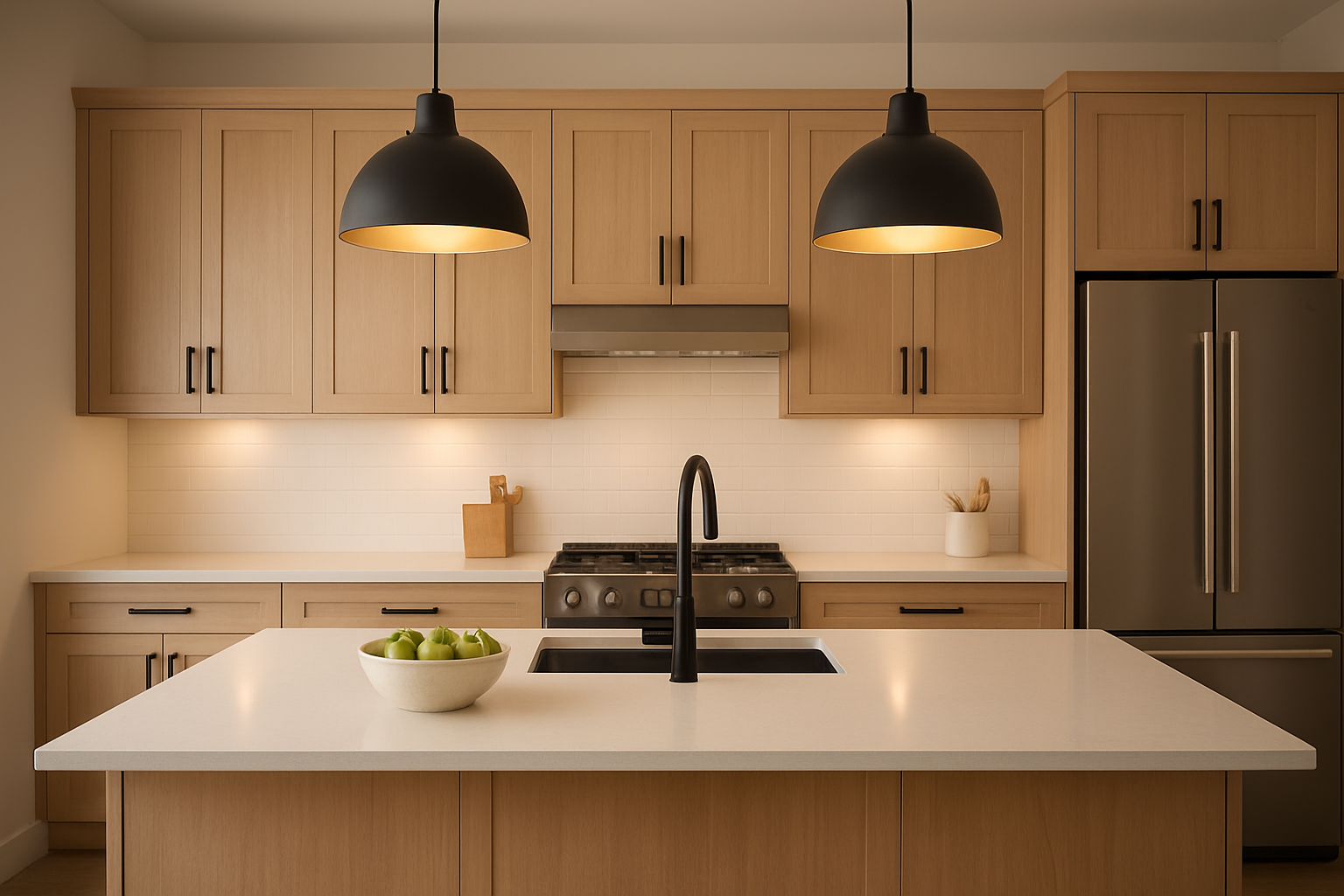
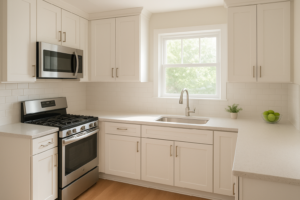
A completed refacing project shows how effective updates for outdated cabinets can be.
Frequently Asked Questions About Updates for Outdated Cabinets
What are the best updates for outdated cabinets?
The best updates for outdated cabinets include refacing the doors and drawer fronts, swapping hardware, adding new finishes, and upgrading storage inserts. These changes refresh the kitchen’s look without the cost or disruption of a full cabinet replacement.
How much does cabinet refacing cost compared to full replacement?
Cabinet refacing typically costs 30 to 50 percent less than a full cabinet replacement because the existing boxes stay in place. According to Remodeling Magazine’s Cost vs. Value data, minor kitchen updates return a higher percentage of their cost at resale than major overhauls.
How long does a cabinet refacing project take?
Most cabinet refacing projects are completed in three to five days, depending on kitchen size. This is significantly faster than a full remodel, which can take several weeks and displace an entire household routine.
What is the difference between cabinet refacing and simply repainting?
Repainting only changes the color of existing surfaces, while refacing replaces door and drawer fronts with new materials and adds fresh veneer to cabinet boxes. Refacing produces a more durable, factory-like finish than paint alone.
Can outdated cabinets be updated without removing them?
Yes, cabinet refacing keeps the original cabinet boxes in place while updating only the visible surfaces. This approach avoids the demolition, plumbing changes, and electrical work required when cabinets are torn out completely.
What common mistakes do homeowners make when updating cabinets?
Common mistakes include choosing trendy finishes that date quickly, ignoring hardware placement, and skipping professional measurements before ordering doors. Working with an experienced refacing specialist helps avoid costly reordering and mismatched finishes.
What cabinet door styles are popular right now?
Shaker-style doors, flat-panel slab fronts, and two-tone color combinations remain among the most requested styles in 2025. These options pair well with both classic and modern kitchen layouts.
Is cabinet refacing a good investment for resale value?
Cabinet refacing is generally considered a strong investment because kitchens significantly influence buyer impressions, and refacing delivers a like-new appearance at a fraction of remodel costs. Many homeowners recover a large share of the expense through improved home value.
What materials are commonly used in cabinet refacing?
Refacing typically uses wood veneer, rigid thermofoil, or solid wood for new door and drawer fronts, matched with laminate or veneer for exposed cabinet sides. Material choice affects durability, cost, and overall finish quality.
How do I choose new cabinet hardware during an update?
Choose hardware finish and shape based on your overall kitchen style, then confirm hole spacing matches your new doors to avoid extra drilling. Brushed nickel, matte black, and brass are currently favored finishes.
Can I update just the cabinet doors without refacing everything?
Yes, door-only updates are possible and cost less than full refacing, though cabinet box sides may still show wear if left untouched. A professional can advise whether a partial or complete update fits your kitchen’s condition.
Why do cabinets look outdated even when they still function well?
Cabinets often look outdated because finishes, door styles, and hardware trends shift over time even when the underlying structure remains sturdy. Surface-level wear like fading, chipping, or dated color choices ages the whole kitchen visually.
What is the best way to maintain newly refaced cabinets?
Wipe surfaces with a soft, damp cloth and avoid abrasive cleaners that can dull new finishes. Following a proper care routine helps refaced cabinets stay looking fresh for many years.
Should I paint my cabinets or reface them for an update?
Painting cabinets is the cheapest update, but it only changes color and often chips within a few years. Refacing replaces door and drawer fronts entirely and adds new veneer, delivering a longer-lasting, factory-quality finish for a modest cost increase.
Can I update outdated cabinets myself, or do I need a professional?
Simple upgrades such as swapping hardware or adding under-cabinet lighting are manageable DIY projects. However, refacing requires precise measurements, veneer application, and door alignment, so most homeowners get better, longer-lasting results by hiring an experienced refacing professional.
Final Thoughts on Updates for Outdated Cabinets
In summary, updates for outdated cabinets offer a practical middle ground between living with a dated kitchen and committing to a full-scale remodel. Whether through complete refacing, new hardware, smarter lighting, or a combination of smaller fixes, homeowners can achieve a modern, functional kitchen without the extended timeline or expense of tearing everything out.
Ultimately, the right approach depends on the condition of existing cabinets, your budget, and personal style preferences. For homeowners throughout the greater Cincinnati area, working with a dedicated refacing specialist such as KT Cabinet Refacing ensures the finished kitchen looks polished while standing up to daily use for years to come.